
12 storey building design
15 শতক জমিতে 12 তলা ভবন ডিজাইন ও 3d ভিউ

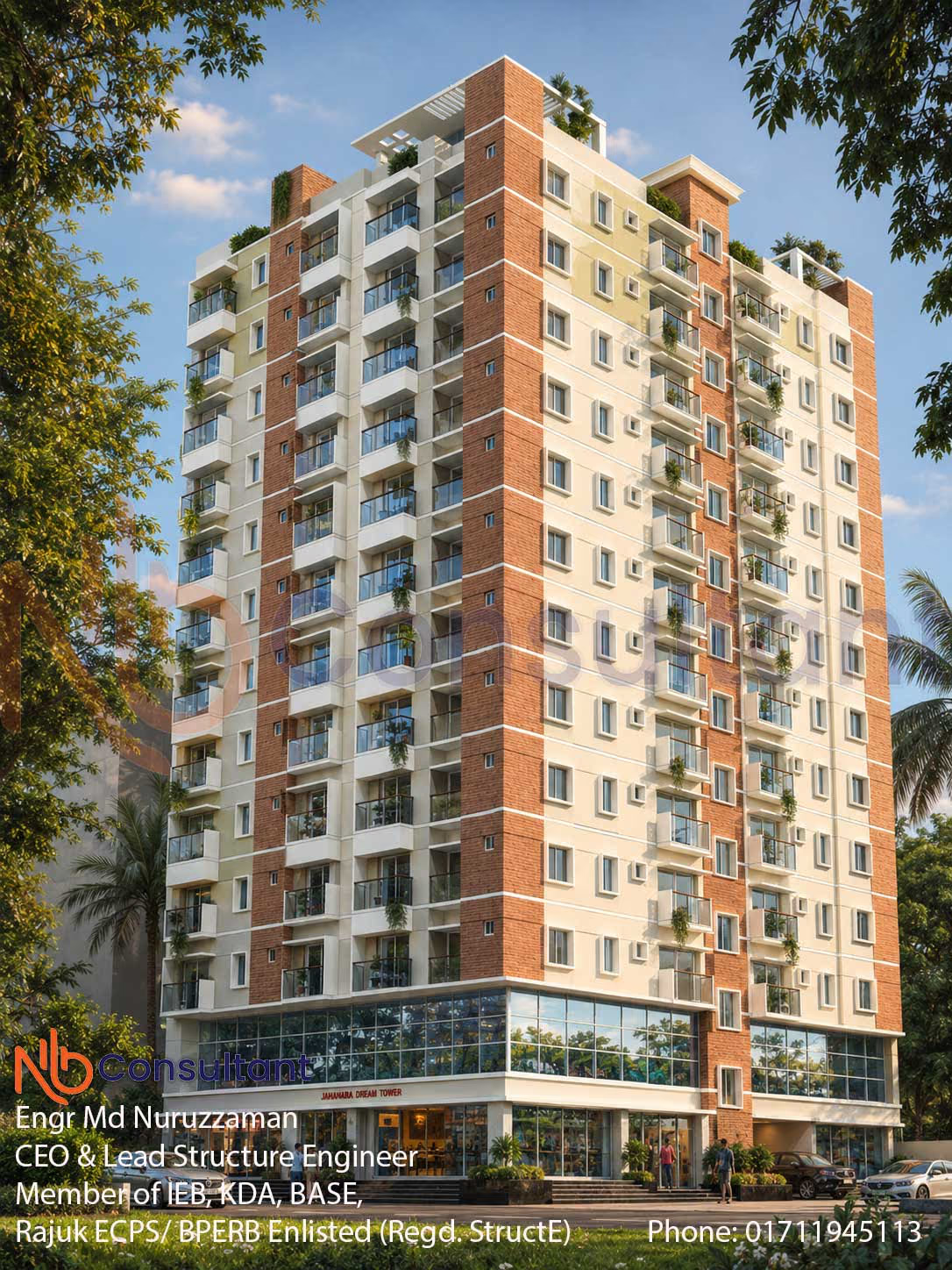
15 শতক জমিতে 12 তলা ভবন ডিজাইন ও 3d ভিউ
15 শতক জমিতে 12 তলা ভবন ডিজাইন ও 3d ভিউ
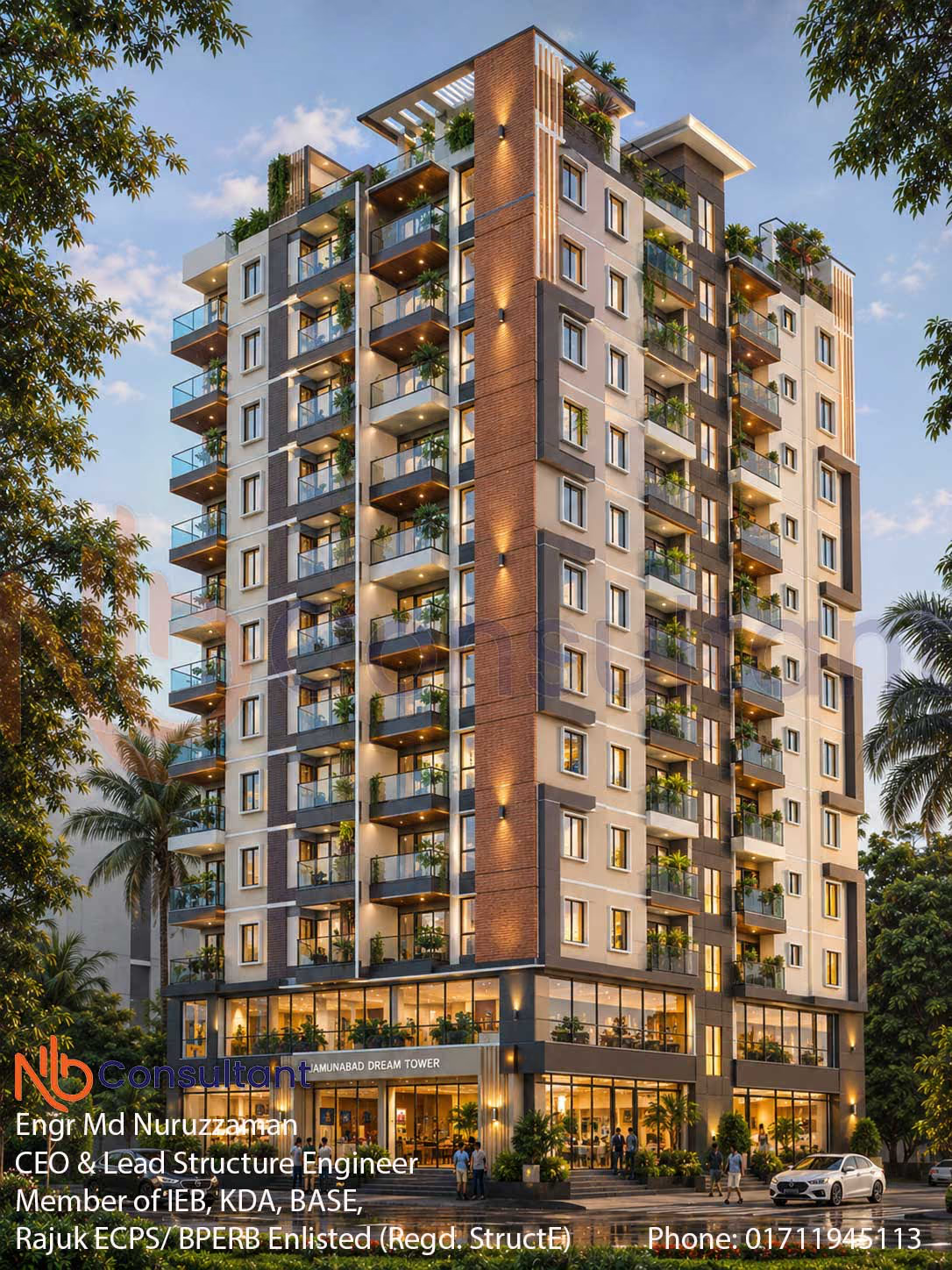
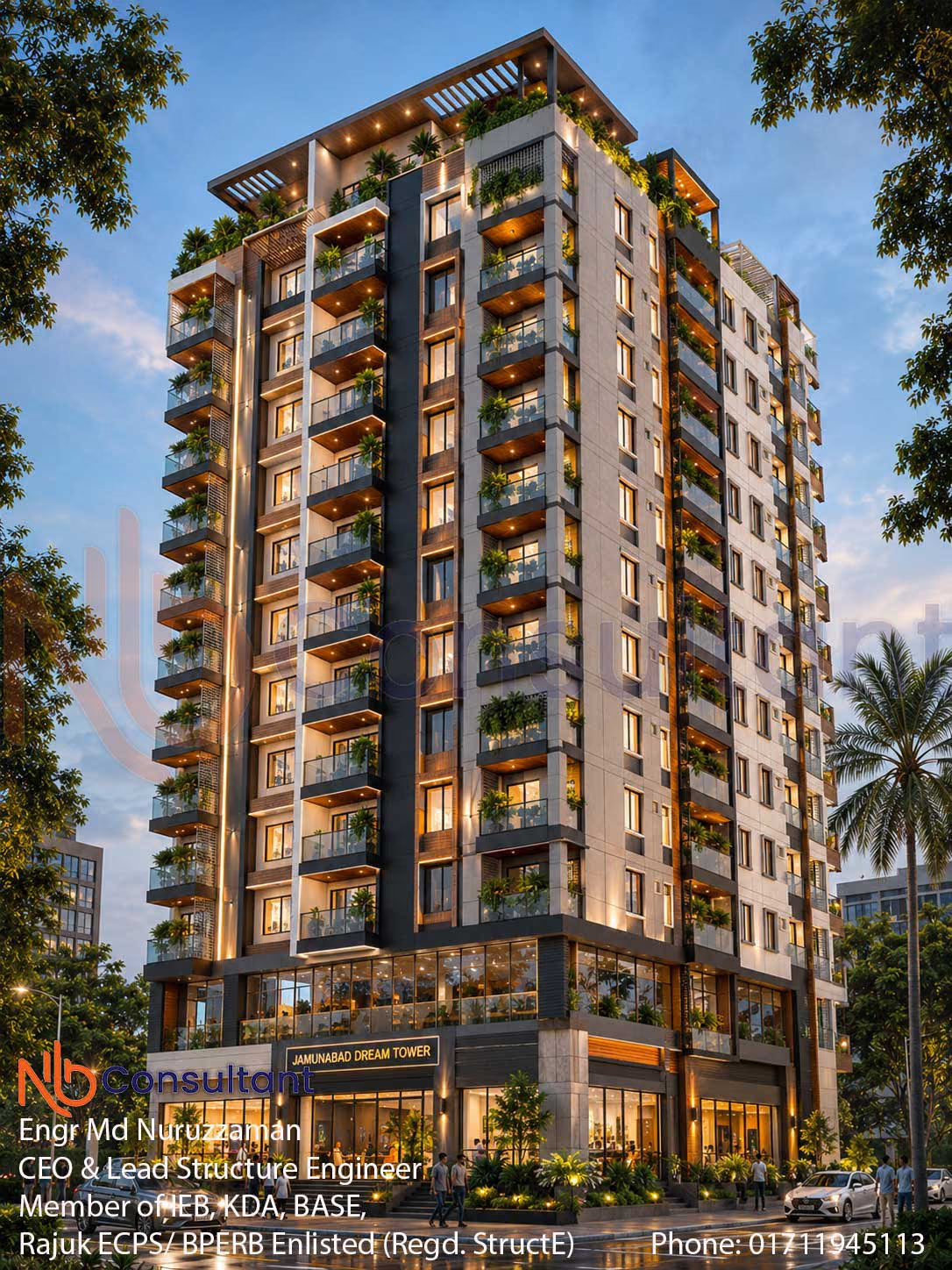
জায়গার সর্বোচ্চ ব্যবহার এবং বিনিয়োগের রিটার্ন: আধুনিক 12 তলা ভবন ডিজাইনের মূল দিকসমূহ
সমসাময়িক নগর উন্নয়নে, উল্লম্ব সম্প্রসারণ একটি কাঠামোগত প্রবণতা থেকে অর্থনৈতিক প্রয়োজনীয়তায় রূপান্তরিত হয়েছে। একটি প্রিমিয়াম 12 তলা ভবন ডিজাইন এর জন্য প্রকৌশলগত ব্যবহারিকতা, বিল্ডিং কোড মেনে চলা এবং মানুষের প্রয়োজন অনুযায়ী স্থাপত্য নকশার মধ্যে একটি সুচিন্তিত সমন্বয় প্রয়োজন। ডেভেলপার, জমির মালিক এবং ডিজাইন পেশাজীবীদের জন্য মূল চ্যালেঞ্জ হলো প্রতিটি আবাসিক ইউনিটের বাজারমূল্য এবং বসবাসের উপযোগিতা বজায় রেখে কার্পেট এরিয়ার দক্ষতা সর্বোচ্চ করা।
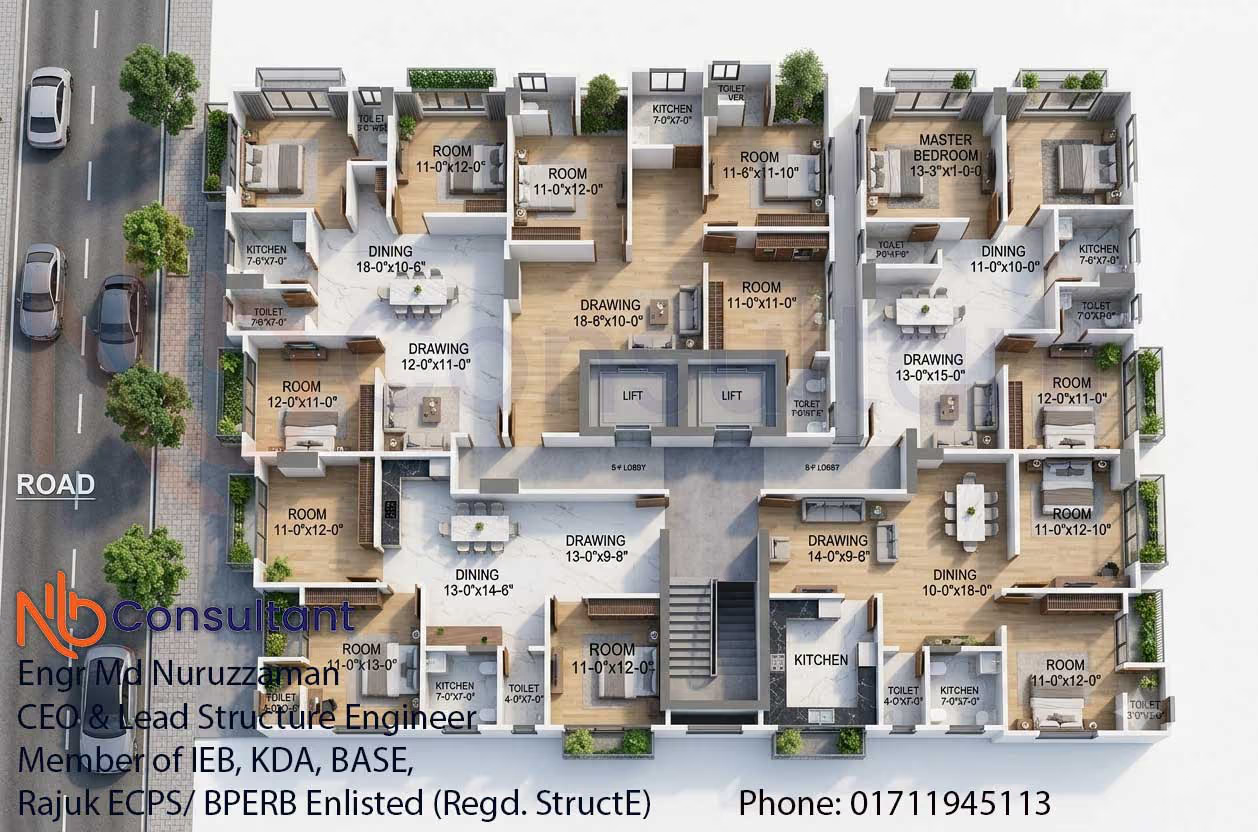
এখানে বিশ্লেষণ করা ফ্লোর প্ল্যান লেআউটটি উচ্চ ঘনত্বের আবাসিক কাঠামোর জন্য একটি চমৎকারভাবে পরিকল্পিত মাল্টি-ইউনিট ফ্লোর টেমপ্লেট প্রদর্শন করে। এই লেআউটের প্রবাহ, কাঠামোগত বিন্যাস এবং স্থানিক শ্রেণিবিন্যাস বিশ্লেষণ করে, আমরা অত্যন্ত দক্ষ মাঝারি থেকে উচ্চ-উত্থান আবাসিক কমপ্লেক্স ডিজাইনের মূল নীতিগুলো নির্ধারণ করতে পারি।
1. সেন্ট্রাল কোর অপ্টিমাইজেশন: উচ্চ-উত্থান ভবনের দক্ষতার কেন্দ্রবিন্দু
যেকোনো মাঝারি বা উচ্চ-উত্থান ভবনের ব্লুপ্রিন্টে, উল্লম্ব চলাচলের কোরটি পুরো ভবনের আক্ষরিক এবং রূপক নোঙর হিসেবে কাজ করে। একটি স্ট্যান্ডার্ড 12 তলা ভবন ডিজাইন, কোর স্পেসের কাঠামোগত বরাদ্দ সরাসরি কাঠামোগত দৃঢ়তা, ভূমিকম্পের আচরণ, জরুরি বহির্গমন এবং নেট লিজযোগ্য এলাকার প্যারামিটার নিয়ন্ত্রণ করে।
ডুয়াল লিফট সিস্টেম এবং সার্ভিস ইন্টিগ্রেশন
এই ফ্লোর প্ল্যানে দুটি উচ্চ-ক্ষমতাসম্পন্ন প্যাসেঞ্জার লিফট (LIFT হিসেবে চিহ্নিত, প্রতিটির পরিমাপ 6 ফুট 0 ইঞ্চি x 5 ফুট 0 ইঞ্চি) সহ একটি কেন্দ্রীয় সার্ভিস কোর ব্যবহার করা হয়েছে। একটি 12 তলা কাঠামোর জন্য, ডুয়াল-লিফট সেটআপ প্রয়োজনীয় রিডানডেন্সি প্রদান করে, যা রক্ষণাবেক্ষণ বা যান্ত্রিক ত্রুটির সময় নিরবচ্ছিন্ন সেবা নিশ্চিত করে। শ্যাফটগুলোকে পাশাপাশি স্থাপন করলে কাঠামোগত শিয়ার ওয়াল ডিটেইলিং সহজ হয় এবং শোবার ঘর থেকে যান্ত্রিক শব্দ ও কম্পন আলাদা রাখা যায়।
কেন্দ্রীয় ফায়ার ইগ্রেস এবং সার্কুলেশন লবি
লিফটের পাশেই একটি প্রশস্ত, কেন্দ্রীয় কাঁচি-স্টাইলের ডগ-লেগড সিঁড়ি রয়েছে। এই অবস্থানটি দূরবর্তী অ্যাপার্টমেন্টগুলোর (ইউনিট U-A থেকে U-E) প্রবেশপথ থেকে যাতায়াতের দূরত্ব কমিয়ে দেয়। কেন্দ্রীয় লবি চলাচলের পথকে স্পষ্টভাবে করিডোরে বিভক্ত করে:
-
পূর্ব করিডোর লবি (5 ফুট 0 ইঞ্চি প্রশস্ত): ইউনিট U-A এবং U-B এর প্রবেশপথের সেবা প্রদান করে।
-
পশ্চিম করিডোর লবি (5 ফুট 0 ইঞ্চি প্রশস্ত): ইউনিট U-C, U-D এবং U-E এর দিকে চলাচলের পথ নির্দেশ করে।
একটি পরিষ্কার 5 ফুট প্রস্থ বজায় রাখা মাল্টি-ফ্যামিলি উচ্চ-ঘনত্বের জরুরি বহির্গমনের জন্য আন্তর্জাতিক বিল্ডিং কোড (IBC) মেনে চলে, যা কাঠামোগত জরুরি অবস্থার সময় ভিড় এড়াতে সাহায্য করে।
2. স্থাপত্য ইউনিট বিতরণ এবং কাঠামোগত প্রতিসাম্য
বহুতল নির্মাণে প্রতিসাম্য সরাসরি প্রকৌশলগত জটিলতা কমায় এবং উপকরণের পরিমাণ অপ্টিমাইজ করে। একটি সুচিন্তিত 12 তলা ভবন ডিজাইন ভূমিকম্পের সময় টরশনাল এক্সেন্ট্রিসিটি সীমিত করতে সমস্ত তলা জুড়ে উল্লম্বভাবে অভিন্ন কাঠামোগত লোড পাথ বজায় রাখে।
ফ্লোর প্ল্যান স্পেস বরাদ্দের সারাংশ
ফ্লোর প্ল্যানটি দক্ষতার সাথে একটি আয়তাকার সীমানাকে 5 টি স্বয়ংসম্পূর্ণ, উচ্চ-ব্যবহারযোগ্য ফ্ল্যাটে বিভক্ত করে, যা স্থানিক আয়তন অনুযায়ী শ্রেণীবদ্ধ করা হয়েছে:
| ইউনিট লেবেল | প্রদত্ত প্রাথমিক স্থানসমূহ | ড্রইং রুমের আকার | ডাইনিং রুমের আকার |
|---|---|---|---|
| ইউনিট ইউ-এ | 2 বেডরুম, ড্রইং, ডাইনিং, রান্নাঘর, 2 টয়লেট, বারান্দা | 14 ফুট 0 ইঞ্চি x 9 ফুট 6 ইঞ্চি | 10 ফুট 0 ইঞ্চি x 18 ফুট 0 ইঞ্চি |
| ইউনিট ইউ-বি | 3 বেডরুম, ড্রইং, ডাইনিং, রান্নাঘর, 3 টয়লেট, 3 বারান্দা | 13 ফুট 0 ইঞ্চি x 15 ফুট 0 ইঞ্চি | 11 ফুট 0 ইঞ্চি x 10 ফুট 0 ইঞ্চি |
| ইউনিট ইউ-সি | 1 বেডরুম, ড্রইং, রান্নাঘর, টয়লেট, বারান্দা | 18 ফুট 6 ইঞ্চি x 10 ফুট 0 ইঞ্চি | ইন্টিগ্রেটেড স্পেস |
| ইউনিট U-D | 2 বেডরুম, ড্রইং, ডাইনিং, রান্নাঘর, 2 টয়লেট, 2 বারান্দা | 12 ফুট 0 ইঞ্চি x 11 ফুট 0 ইঞ্চি | 18 ফুট 0 ইঞ্চি x 10 ফুট 6 ইঞ্চি |
| ইউনিট U-E | 2 বেডরুম, ড্রইং, ডাইনিং, রান্নাঘর, 2 টয়লেট, বারান্দা | 13 ফুট 0 ইঞ্চি x 9 ফুট 6 ইঞ্চি | 13 ফুট 0 ইঞ্চি x 14 ফুট 6 ইঞ্চি |
এই সুচিন্তিত ইউনিট মিক্স (অত্যন্ত কার্যকর সিঙ্গেল বেডরুম লেআউট থেকে শুরু করে প্রিমিয়াম থ্রি-বেডরুম ফ্যামিলি ইউনিট পর্যন্ত) ডেভেলপারদের একটি 12 তলা ভবন ডিজাইন ব্যবহার করে বিভিন্ন ধরনের ক্লায়েন্টদের কাছে পৌঁছাতে সাহায্য করে। এই বৈচিত্র্য প্রতিযোগিতামূলক শহুরে আবাসিক বাজারে আর্থিক ঝুঁকির ঘনত্ব কমায়।
3. মাইক্রো-স্পেশিয়াল অ্যানালাইসিস: অভ্যন্তরীণ কনফিগারেশন এবং এরগনোমিক্স
প্ল্যানের ভেতরের জায়গাগুলো গভীরভাবে পর্যবেক্ষণ করলে দেখা যায় যে, প্রোগ্রাম্যাটিক স্পেশিয়াল জোনিংয়ের ক্ষেত্রে কোনো আপস করা হয়নি। পাবলিক সোশ্যাল জোন এবং প্রাইভেট কোয়াইট জোনগুলোকে পরিষ্কারভাবে আলাদা রাখা হয়েছে।
ড্রইং বনাম ডাইনিং জোনিং
পুরোনো আমলের ওপেন-প্ল্যান ফ্ল্যাটের মতো যেখানে লাউঞ্জ সিটিং এবং ফরমাল ডাইনিং টেবিলকে একটি অগোছালো জায়গায় গাদাগাদি করে রাখা হয়, তার বিপরীতে এই প্ল্যানে দুটির জন্যই আলাদা জায়গা রাখা হয়েছে। ইউনিট ইউ-বি তে, বিশাল 13 ফুট-0 ইঞ্চি x 15 ফুট-0 ইঞ্চি ড্রইং রুমটি মেইন ফয়ার থেকে সরাসরি প্রবেশযোগ্য একটি ফরমাল রিসেপশন এরিয়া প্রদান করে। অন্যদিকে, রান্নাঘরের কাছাকাছি অবস্থিত 11 ফুট-0 ইঞ্চি x 10 ফুট-0 ইঞ্চি ডাইনিং স্পেসটি সামাজিক অনুষ্ঠানের সময় বাসিন্দাদের ভিজ্যুয়াল প্রাইভেসি বজায় রাখে।
স্ট্যান্ডার্ডাইজড ওয়েট-ওয়াল ক্লাস্টারিং
একটি বিল্ডিংয়ের প্রতি স্কয়ার ফুট নির্মাণ খরচ নিয়ন্ত্রণের জন্য একটি গুরুত্বপূর্ণ বিষয় হলো প্লাম্বিং স্ট্যাক অ্যালাইনমেন্ট। এই ব্লুপ্রিন্টের রান্নাঘর এবং বাথরুমগুলোকে পিঠাপিঠি বা প্রধান পার্টিশন বরাবর উল্লম্বভাবে সাজানো হয়েছে। উদাহরণস্বরূপ, ইউনিট ইউ-এ এর রান্নাঘরটি একই ইউনিটের কমন টয়লেটের সাথে একটি ওয়েট-ওয়াল শেয়ার করে, আবার ইউ-ডি এর রান্নাঘরটি সরাসরি তার পাশের বাথরুমের সাথে সংযুক্ত। এই কৌশলটি উল্লম্ব সার্ভিস ডাক্টের প্রয়োজনীয়তা ব্যাপকভাবে কমায়, স্ট্রাকচারাল পেনট্রেশনের চাহিদা হ্রাস করে এবং রক্ষণাবেক্ষণ অবকাঠামোকে সহজতর করে। 12 তলা ভবন ডিজাইন এটি হলো প্লাম্বিং স্ট্যাক অ্যালাইনমেন্ট। এই নকশার রান্নাঘর এবং বাথরুমগুলো ব্যাক-টু-ব্যাক বা উল্লম্বভাবে মূল পার্টিশনের সাথে সাজানো হয়েছে। উদাহরণস্বরূপ, ইউনিট U-A এর রান্নাঘর এবং কমন টয়লেট একটি ওয়েট-ওয়াল অ্যাসেম্বলি শেয়ার করে, আবার U-D এর রান্নাঘর সরাসরি তার পাশের বাথরুমের সাথে সংযুক্ত। এই কৌশলটি উল্লম্ব সার্ভিস ডাক্টের প্রয়োজনীয়তা উল্লেখযোগ্যভাবে কমায়, স্ট্রাকচারাল পেনিট্রেশনের চাহিদা হ্রাস করে এবং রক্ষণাবেক্ষণ সহজতর করে।
4। আলো, বাতাস চলাচল এবং মানসিক প্রশান্তি
পেরিফেরাল বারান্দার কার্যকারিতা
পেরিফেরাল বারান্দার গুরুত্ব
এই লেআউটে একাধিক রিসেসড এবং ক্যান্টিলিভারড বারান্দা ব্যবহার করা হয়েছে (যা 2 ফুট-0 ইঞ্চি চওড়া ভিউ বারান্দা থেকে শুরু করে গভীর সার্ভিস বারান্দা পর্যন্ত বিস্তৃত)। প্রতিটি প্রধান লিভিং জোন এবং মাস্টার বেডরুম থেকে সরাসরি বাইরের বারান্দার জানালায় যাওয়ার ব্যবস্থা রয়েছে। এই আউটডোর স্পেসগুলো রাস্তার কোলাহল থেকে শব্দ নিরোধক হিসেবে কাজ করে এবং ভবনের গভীর অভ্যন্তরে প্রাকৃতিক বাতাস চলাচলের সুযোগ করে দেয়।
ভবনের ভেতরের দিকের রুমগুলো (যেমন সেন্ট্রাল টয়লেট এবং সেকেন্ডারি রান্নাঘর) রিসেসড স্ট্রাকচারাল শ্যাফট এবং ওপেন-এয়ার সার্ভিস ডাক্টের মাধ্যমে ভেন্টিলেশন পায়। এটি ভবনের বাইরের স্থাপত্যশৈলী নষ্ট না করেই আলাদা মেকানিক্যাল স্প্লিট-সিস্টেম এসি আউটডোর ইউনিট (ওডিইউ) সহজে রক্ষণাবেক্ষণ করতে সাহায্য করে। এটি প্রতিটি বাথরুমে একটি ডেডিকেটেড ভেন্টিলেশন জানালা নিশ্চিত করে, যা স্যাঁতসেঁতে ভাব এবং ছত্রাক পড়া রোধ করে।
ভবনের ভেতরের দিকের রুমগুলো (যেমন সেন্ট্রাল টয়লেট এবং সেকেন্ডারি রান্নাঘর) রিসেসড স্ট্রাকচারাল শ্যাফট এবং ওপেন-এয়ার সার্ভিস ডাক্টের মাধ্যমে ভেন্টিলেশন পায়। এটি ভবনের বাইরের স্থাপত্যশৈলী অক্ষুণ্ণ রেখে এসি আউটডোর ইউনিট (ODU) রক্ষণাবেক্ষণ সহজ করে। এছাড়া, প্রতিটি বাথরুমে আলাদা ভেন্টিলেশন জানালা থাকায় স্যাঁতসেঁতে ভাব বা মোল্ড জন্মানোর ঝুঁকি থাকে না।
একটি 5ডি ফ্লোর লেআউটকে একটি মজবুত 12 তলা উচ্চ ভবনে রূপান্তর করার সময় স্ট্রাকচারাল ইঞ্জিনিয়ারিংয়ের প্রয়োজনীয়তার ওপর বেশি গুরুত্ব দিতে হয়। মূল বিষয়গুলো হলো:
একটি 2D ফ্লোর লেআউটকে একটি মজবুত 12 তলা বিশিষ্ট বহুতল ভবনে রূপান্তরের ক্ষেত্রে স্ট্রাকচারাল ইঞ্জিনিয়ারিংয়ের ওপর বিশেষ গুরুত্ব দিতে হয়। মূল বিষয়গুলো হলো:
-
স্ট্রাকচারাল কলামগুলো (লাল আয়তাকার চিহ্ন দ্বারা নির্দেশিত) প্রধান অক্ষ বরাবর নিখুঁতভাবে গ্রিড-অ্যালাইন করা। এটি নিশ্চিত করে যে উল্লম্ব গ্র্যাভিটি লোডগুলো কোনো জটিল বা ব্যয়বহুল ট্রান্সফার বিম ছাড়াই ফাউন্ডেশনে স্থানান্তরিত হয়। ফাউন্ডেশন নির্বাচন:
-
ফাউন্ডেশন নির্বাচন: মাটির ভার বহন ক্ষমতার ওপর ভিত্তি করে, একটি 12 তলা বিশিষ্ট ডিজাইনের জন্য সাধারণত হেভি রিইনফোর্সড কংক্রিট র্যাফট স্ল্যাব অথবা ডিপ ফ্রিকশন-পাইল ফাউন্ডেশন নেটওয়ার্কের প্রয়োজন হয়।
-
সিঁড়ির কোরের দক্ষিণ দিকের এলিভেশন প্রোফাইলে যেমনটি দেখানো হয়েছে, ওভারহেড পানির রিজার্ভারটি সরাসরি সবচেয়ে ভারী স্ট্রাকচারাল ফ্রেমের (লিফট শ্যাফট এবং সিঁড়ির দেয়াল) ওপর বসানো হয়েছে। এই প্লেসমেন্ট বিশাল ডেড লোডকে সরাসরি প্রধান শিয়ার অবকাঠামোতে স্থানান্তর করে। রিয়েল এস্টেট ডেভেলপারদের জন্য কৌশলগত উপসংহার
এই লেআউটটি একটি উচ্চ মুনাফা অর্জনকারী আধুনিক আবাসিক প্রকল্পের জন্য একটি চমৎকার ব্লুপ্রিন্ট। স্ট্রাকচারাল সিমেট্রি এবং বাজারের চাহিদামত ইউনিট সাইজের ভারসাম্য বজায় রেখে এটি দারুণ স্পেস এফিসিয়েন্সি অর্জন করে। একটি সুপরিকল্পিত কোর লেআউটের পাশাপাশি স্ট্যান্ডার্ডাইজড প্লাম্বিং দেয়াল ব্যবহার একে আধুনিক শহুরে ল্যান্ডস্কেপে প্রয়োগযোগ্য একটি অত্যন্ত সাশ্রয়ী এবং উচ্চ ঘনত্বের টেমপ্লেট করে তুলেছে।
বাড়ির ডিজাইনের
জন্য যোগাযোগ করুন। আমাদের বাড়ির নকশার ভিডিও দেখুন। মসজিদ এর ডিজাইন
দেখুন অনেক কিছুর ওপর ভিত্তি করে আমরা বাড়ির ডিজাইন খরচ কত হতে পারে তা নির্ধারণ করি।
বাড়ির ডিজাইন খরচ কত হবে তা এককথায় বলা যায় না।
বাড়ির ডিজাইন খরচ কত হবে তা এককথায় বলা যায় না।
আরও দেখুন
একই ধরনের প্রজেক্ট
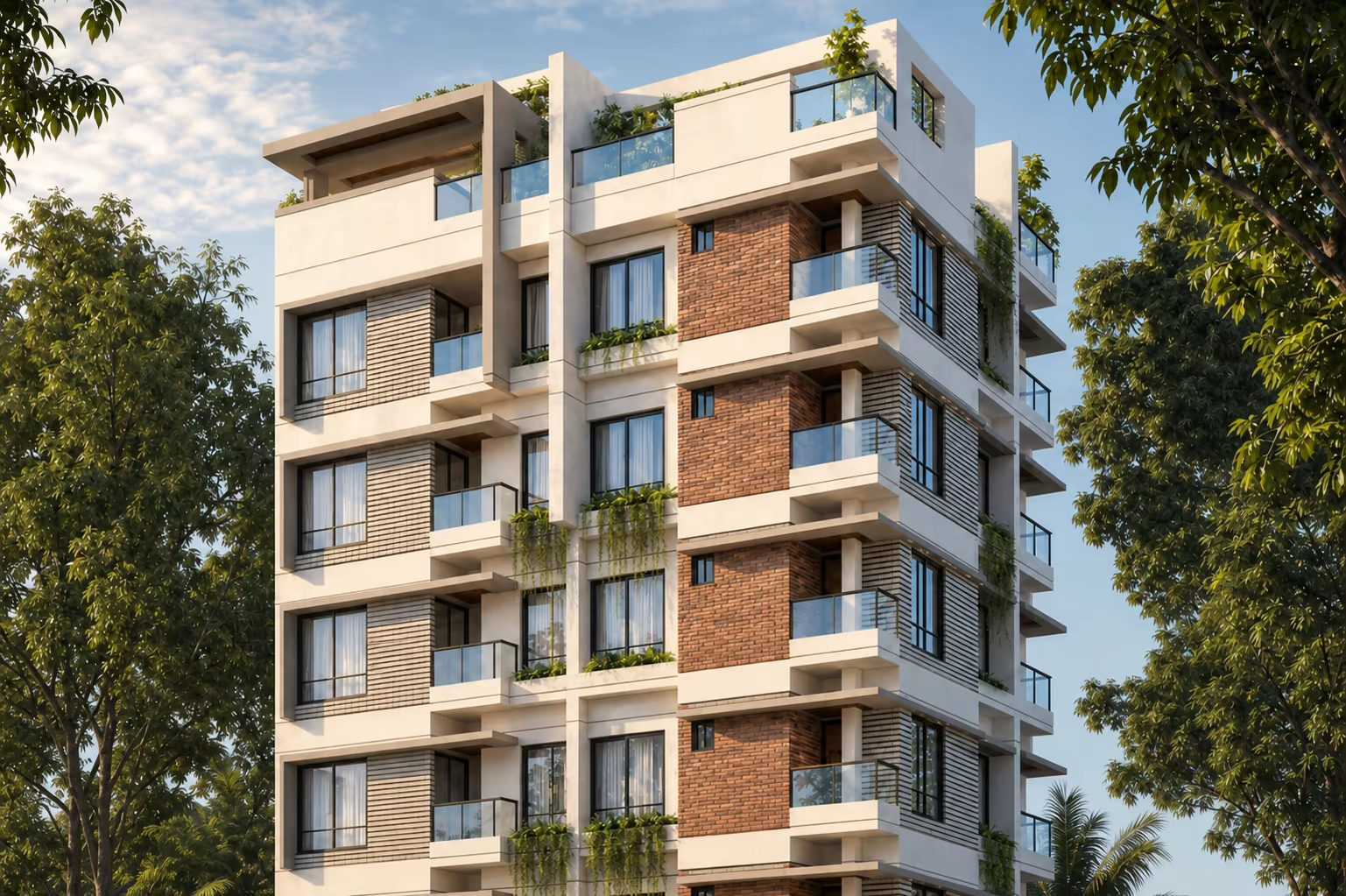
ছয় তলা ভবনের ডিজাইন
একটি সুপরিকল্পিত ছয় তলা ভবনের ডিজাইন আধুনিক নগর উন্নয়নের অন্যতম বাস্তবসম্মত সমাধান। নিচতলায় দোকান, পার্কিং, গার্ড রুম, লিফট ও সিঁড়ি; উপরের তলাগুলোতে আবাসিক অ্যাপার্টমেন্ট।

একটি ছয় তলা ভবনের ডিজাইনের উদাহরণ
ছয় তলা ভবনের ডিজাইনের উদাহরণ: দিনের দৃশ্য, সন্ধ্যার দৃশ্য এবং আধুনিক ডিজাইনের একটি পূর্ণাঙ্গ নির্দেশিকা

6 তলা আবাসিক ভবনের ডিজাইনের পূর্ণাঙ্গ নির্দেশিকা
6 তলা আবাসিক ভবনের ডিজাইনের সান্ধ্যকালীন দৃশ্য 6 তলা আবাসিক ভবনের ডিজাইনের দিনের দৃশ্য 6 তলা আবাসিক ভবনের ডিজাইনের পূর্ণাঙ্গ নির্দেশিকা নগরীর দৃশ্যপট হলো...