Meta Title: Modern 6-Storey Residential Building Design Guide Meta Description: Discover the ultimate guide to modern 6-storey residential building design. Explore architecture, floor plans, and elevation designs for urban living.
The Ultimate Guide to Modern 6-Storey Residential Building Design
As urban landscapes become increasingly dense, developers and architects are constantly searching for the perfect balance between high-density living and human-scale community. Enter the mid-rise building. Mastering modern 6-storey residential building design is rapidly becoming the gold standard for bridging the gap between sprawling suburban complexes and towering, impersonal skyscrapers. This “missing middle” offers the perfect blend of profitability for developers and a high quality of life for residents.
Whether you are a real estate developer looking to maximize your next urban plot, an architecture student studying modern trends, or a property owner wanting to understand mid-rise investments, this comprehensive guide is for you. We will break down the essential architectural elements, innovative floor plans, striking exterior elevations, and the modern amenities that make a six-storey project successful.
Why Choose a Modern 6-Storey Residential Building Design?
The appeal of a six-storey building goes far beyond simple aesthetics. From a zoning and urban planning perspective, mid-rise buildings represent a “sweet spot.” They are tall enough to offer excellent return on investment (ROI) through housing density, yet low enough to avoid the often draconian building codes and astronomical construction costs associated with high-rise towers.
Maximizing Urban Space and ROI
In highly competitive real estate markets, land is at a premium. Building upward rather than outward is a necessity. A six-storey structure allows developers to multiply the usable square footage of a single lot by a factor of roughly five or six (accounting for setbacks and shared spaces), drastically increasing potential rental yield or unit sales. Furthermore, construction timelines for a mid-rise are significantly shorter than those for high-rises, meaning developers can see a return on their investment much faster.
Fostering a Sense of Community
Unlike a 40-storey tower where residents rarely know their neighbors, a six-storey building naturally encourages community. With fewer units, the lobby, elevator, and rooftop spaces become intimate areas for organic social interaction. This human-scale density is a massive selling point for modern homebuyers and renters who crave connection in an isolating digital world.
Core Elements of 6 Story Residential Building Architecture
To execute a flawless mid-rise project, form and function must operate in perfect harmony. Modern 6 story residential building architecture is characterized by clean lines, functional spaces, and a deep integration with the surrounding environment.
Structural Integrity and Modern Materials
The backbone of any six-storey structure relies heavily on advanced engineering and modern materials. Unlike smaller homes built primarily of wood framing, a mid-rise typically requires a robust skeleton.
-
Reinforced Concrete: Often the material of choice for its durability, fire resistance, and superior soundproofing capabilities between floors.
-
Structural Steel: Used for framing, steel allows for wider open spaces and larger windows without compromising load-bearing limits.
-
Cross-Laminated Timber (CLT): A rising star in sustainable architecture. CLT is eco-friendly, aesthetically warm, and increasingly permitted by modern building codes for buildings up to six stories.
Sustainable and Green Design Integration
A defining trait of contemporary architecture is its commitment to sustainability. A modern building must minimize its carbon footprint.
-
Passive Solar Design: Orienting the building to maximize natural light during winter while using overhangs to block harsh summer sun, drastically reducing HVAC costs.
-
Green Roofs: Utilizing the flat roof space for vegetation helps insulate the building, manage stormwater runoff, and combat the urban heat island effect.
-
High-Efficiency Systems: Integrating solar panels, rainwater harvesting systems, and energy-efficient double or triple-glazed windows.
Optimizing the Single Unit Floor Plan for 6 Storey Building
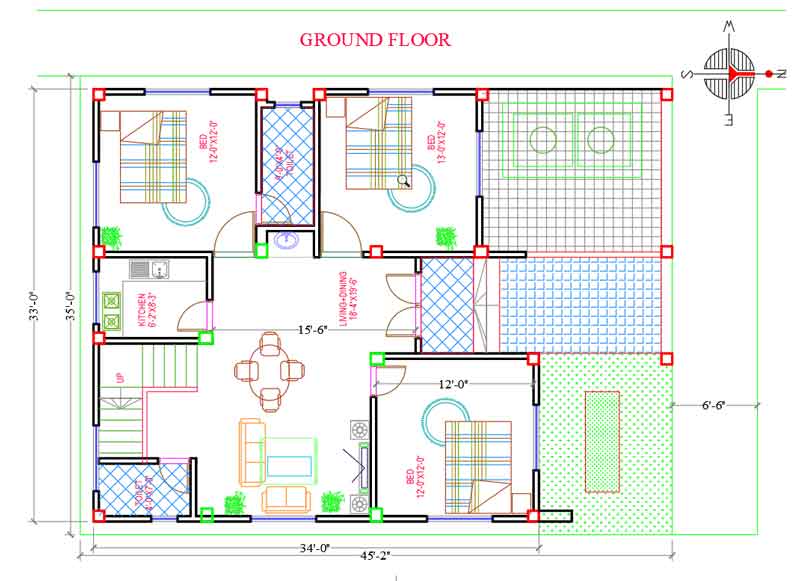
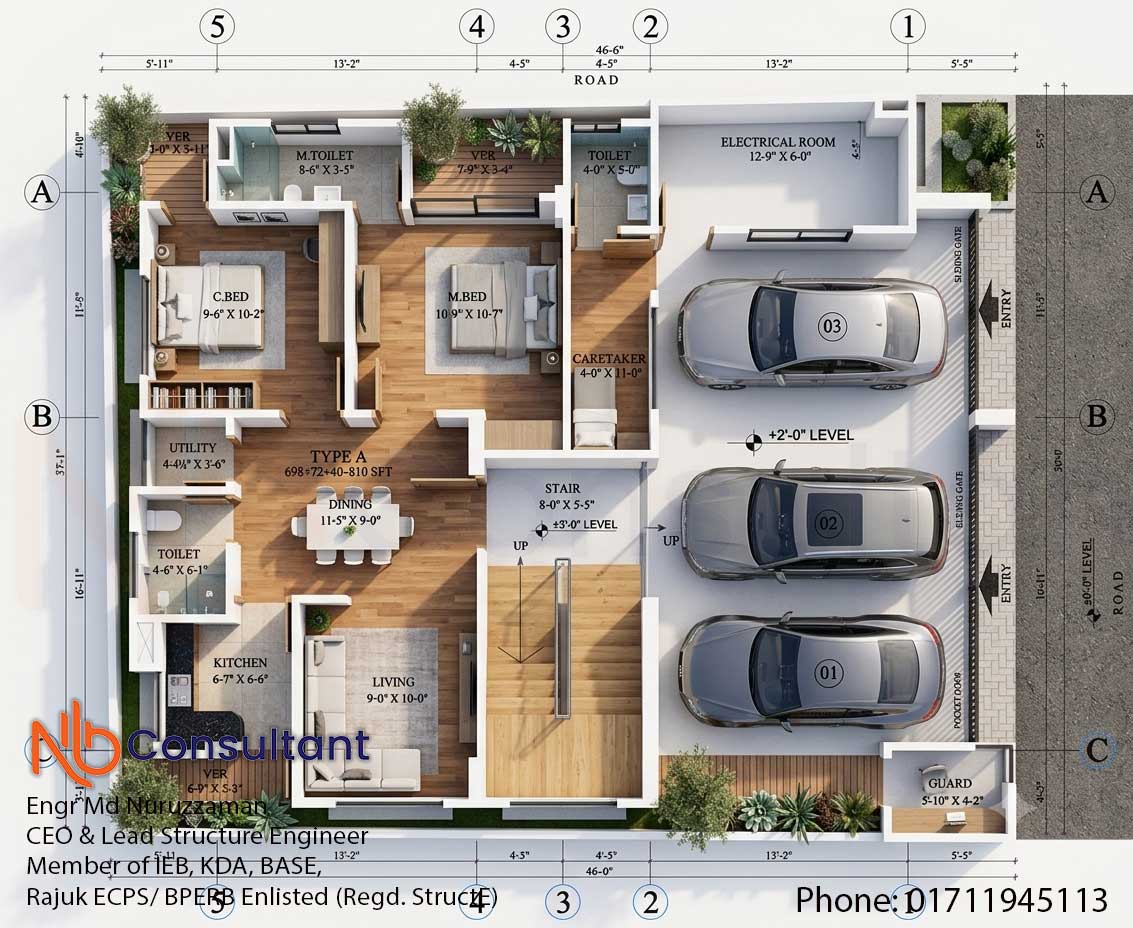
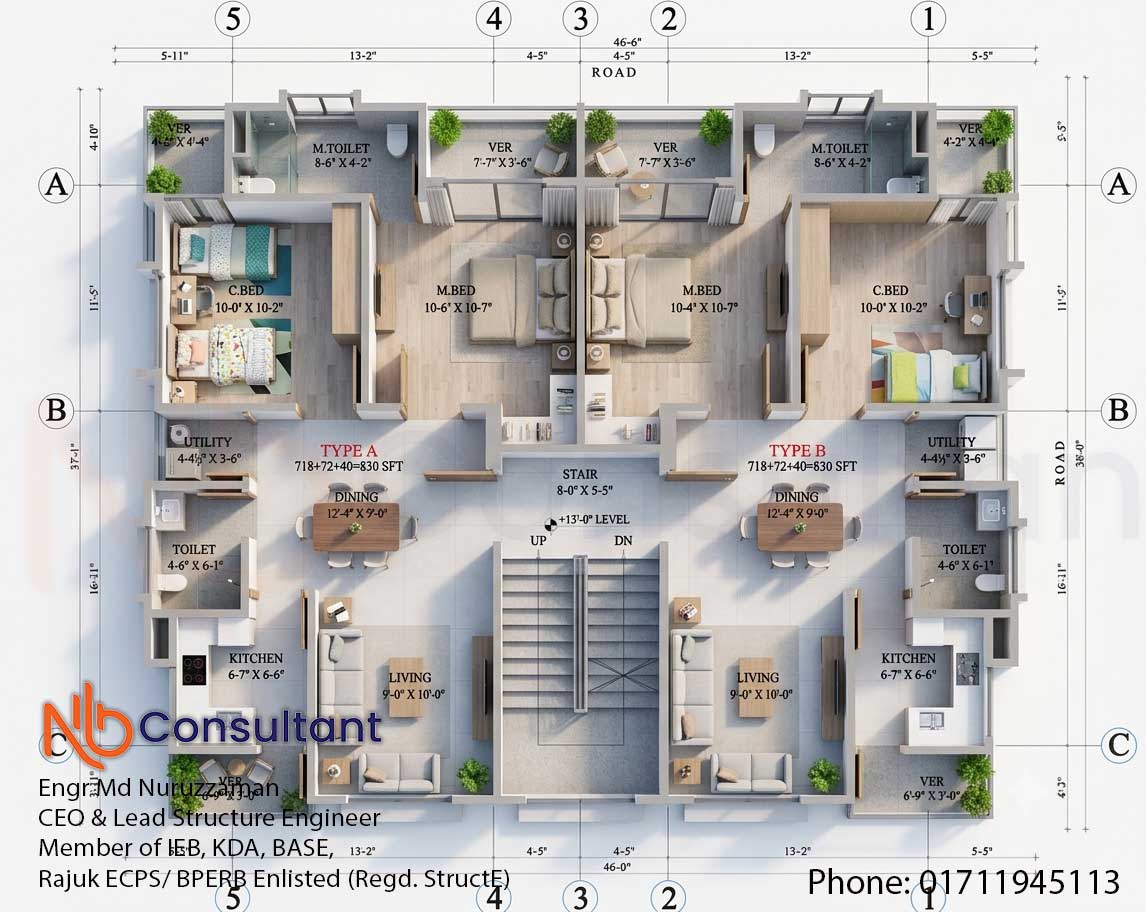
One of the most luxurious and highly sought-after layouts in mid-rise development is the exclusive, full-floor apartment. When designing a single unit floor plan for 6 storey building, the architect has the unique advantage of a 360-degree canvas. Because the unit occupies the entire floor, residents can enjoy natural light from all four directions.
The Power of Open Concept Living
When dealing with a single-unit layout, eliminating unnecessary partition walls is crucial. The modern buyer expects an expansive, free-flowing space.
-
The Great Room: Combining the kitchen, dining, and living areas into one cohesive space. This not only maximizes natural light penetration but also creates an ideal environment for entertaining.
-
Private Elevator Access: A hallmark of luxury in a single-unit-per-floor design is the elevator opening directly into a private foyer, bypassing the need for shared public hallways.
Balancing Privacy and Flow
Even in an open-concept design, privacy must be carefully curated. A well-designed floor plan separates the active zones from the quiet zones.
-
The Public Zone: Position the living room, kitchen, and guest bathroom toward the street-facing side of the building to capitalize on vibrant urban views and natural light.
-
The Private Zone: Place the master suite and additional bedrooms toward the rear or the quietest side of the property.
-
Transitional Spaces: Use built-in bookshelves, strategic lighting, or interior glass partitions to subtly separate spaces without closing them off entirely.
Striking 6 Storey Building Elevation Design
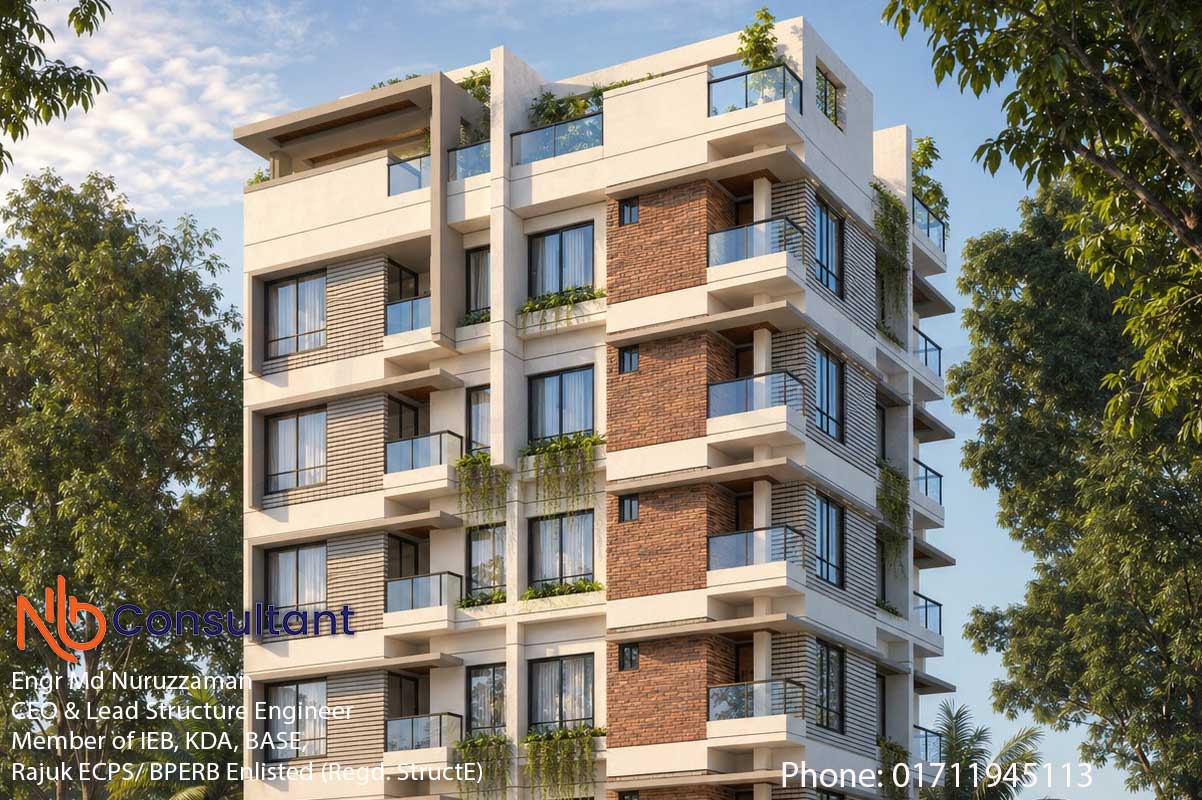
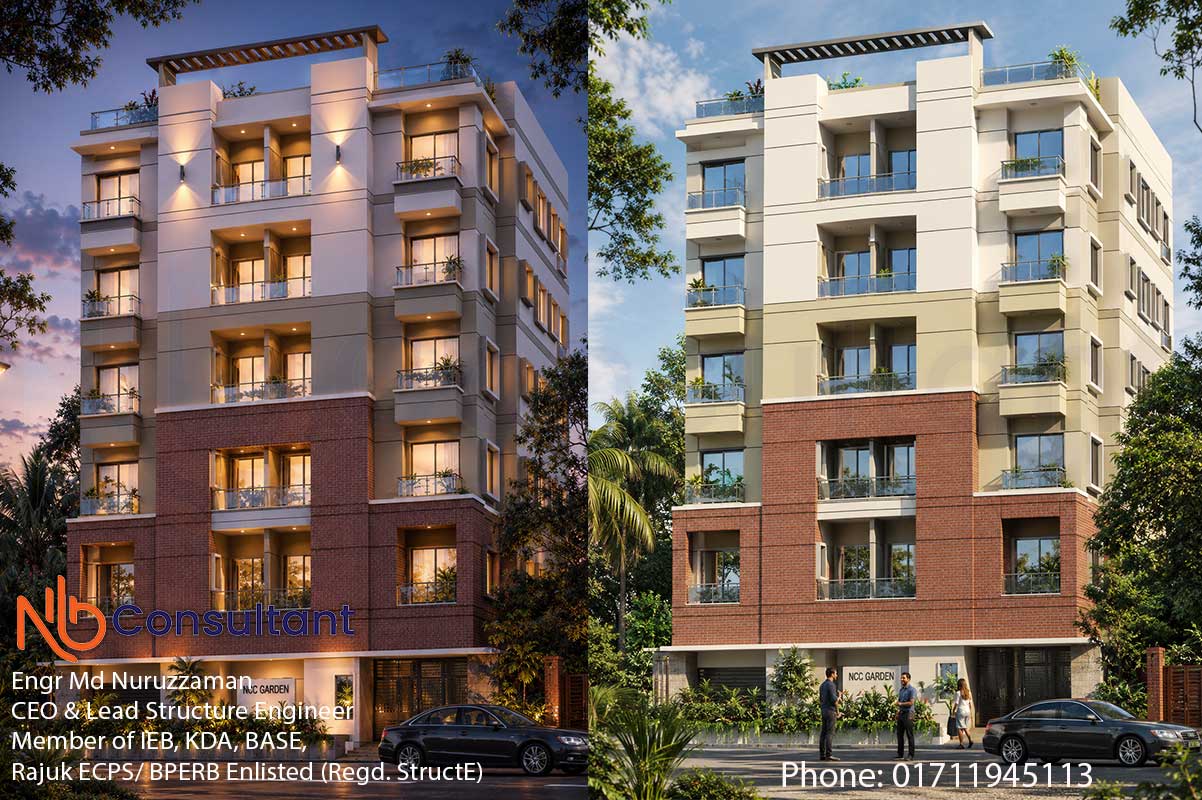
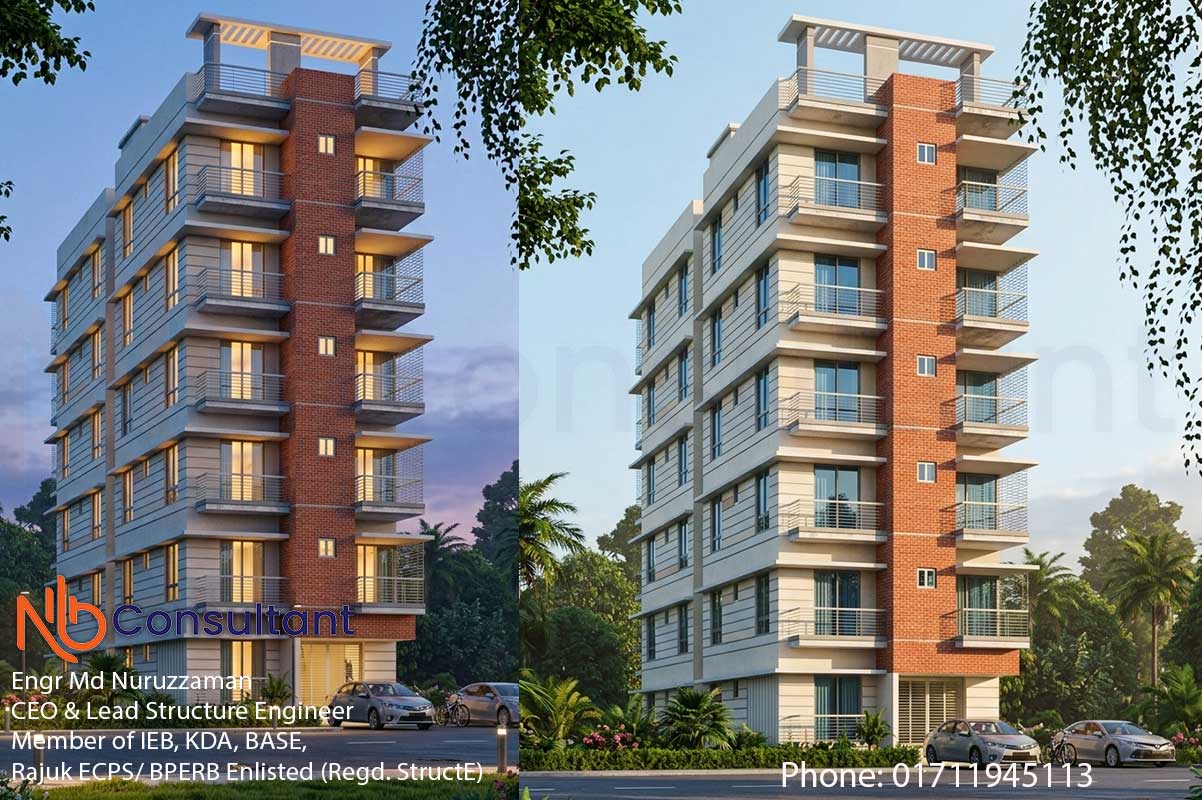
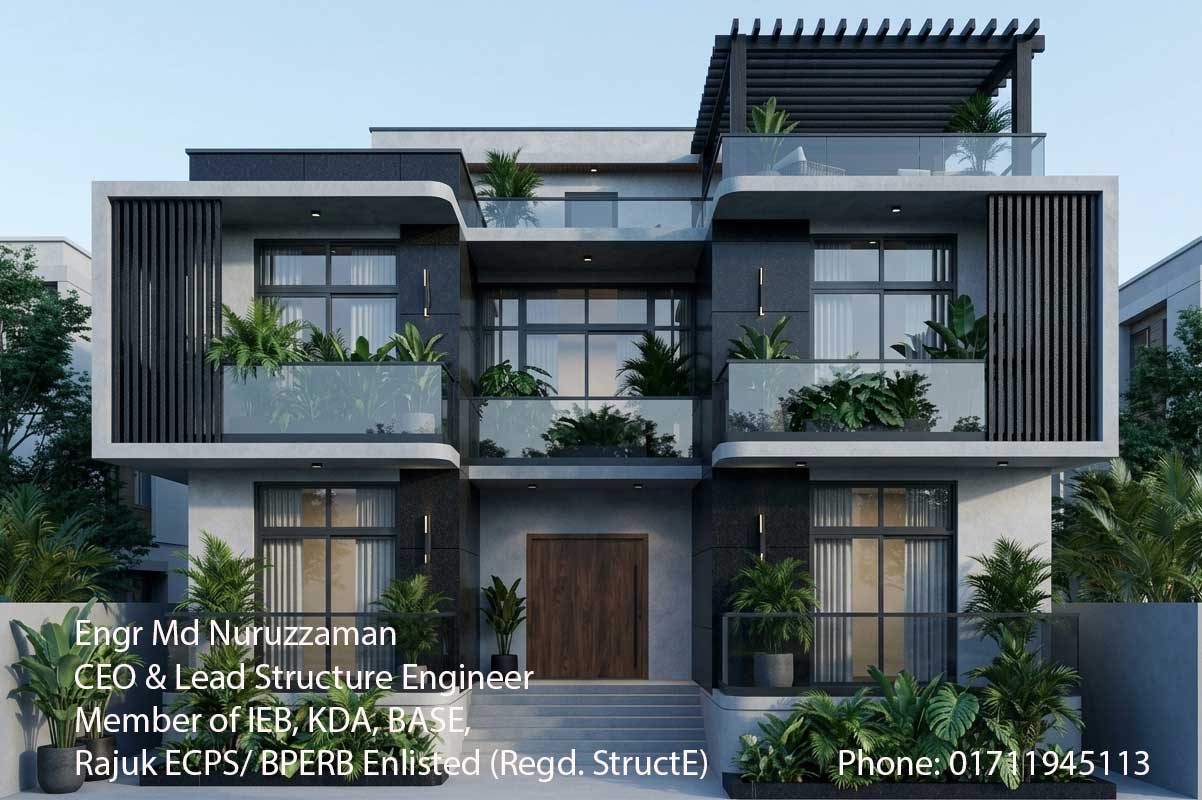
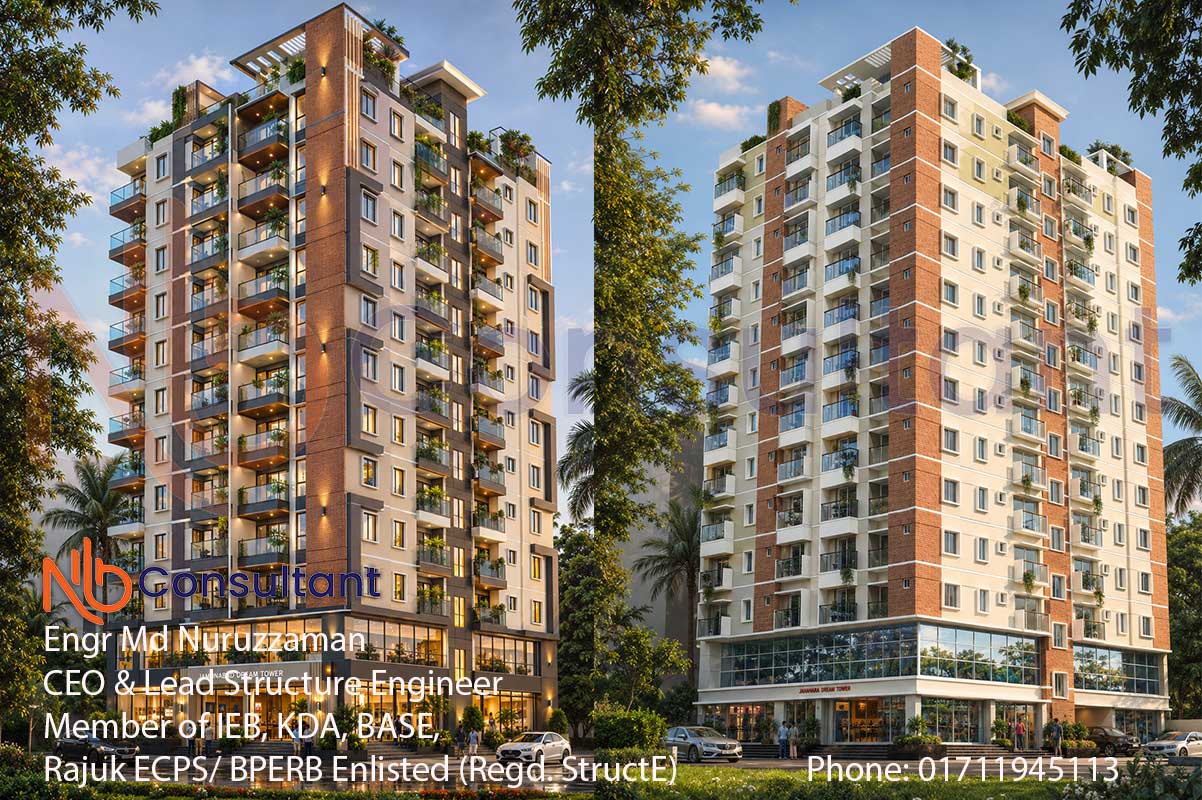
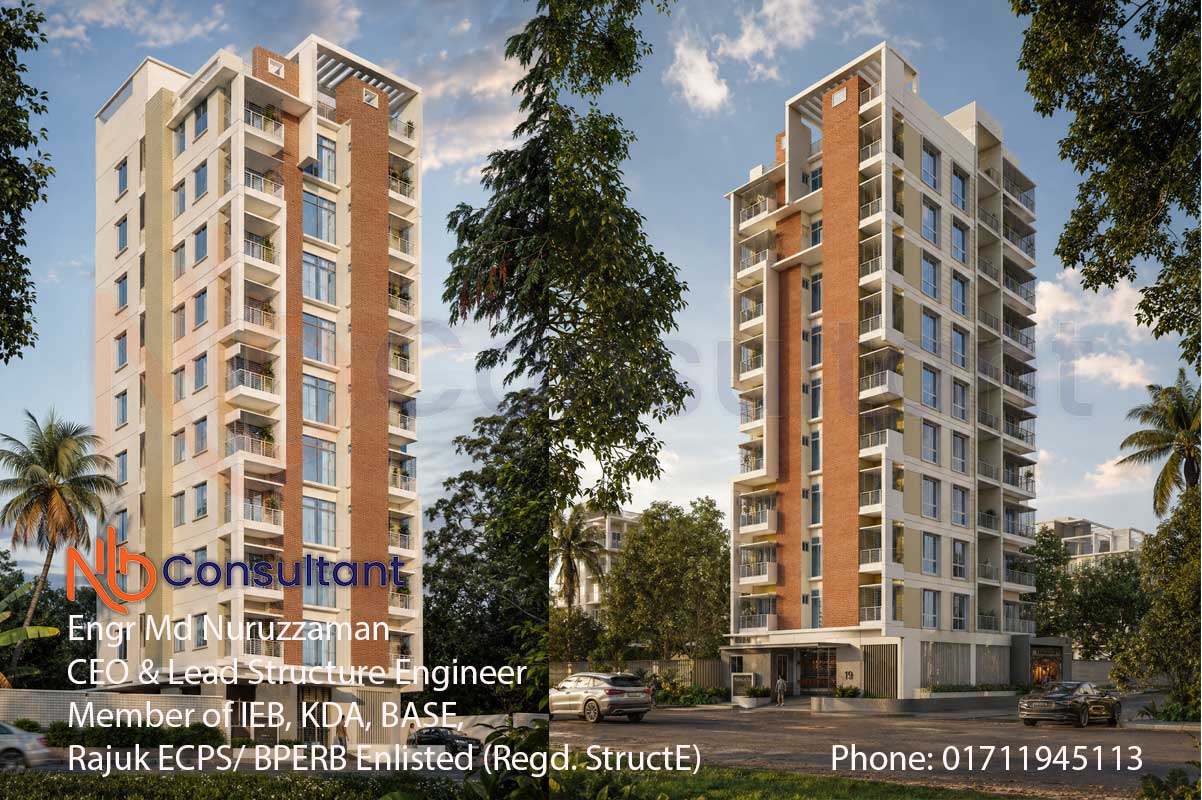
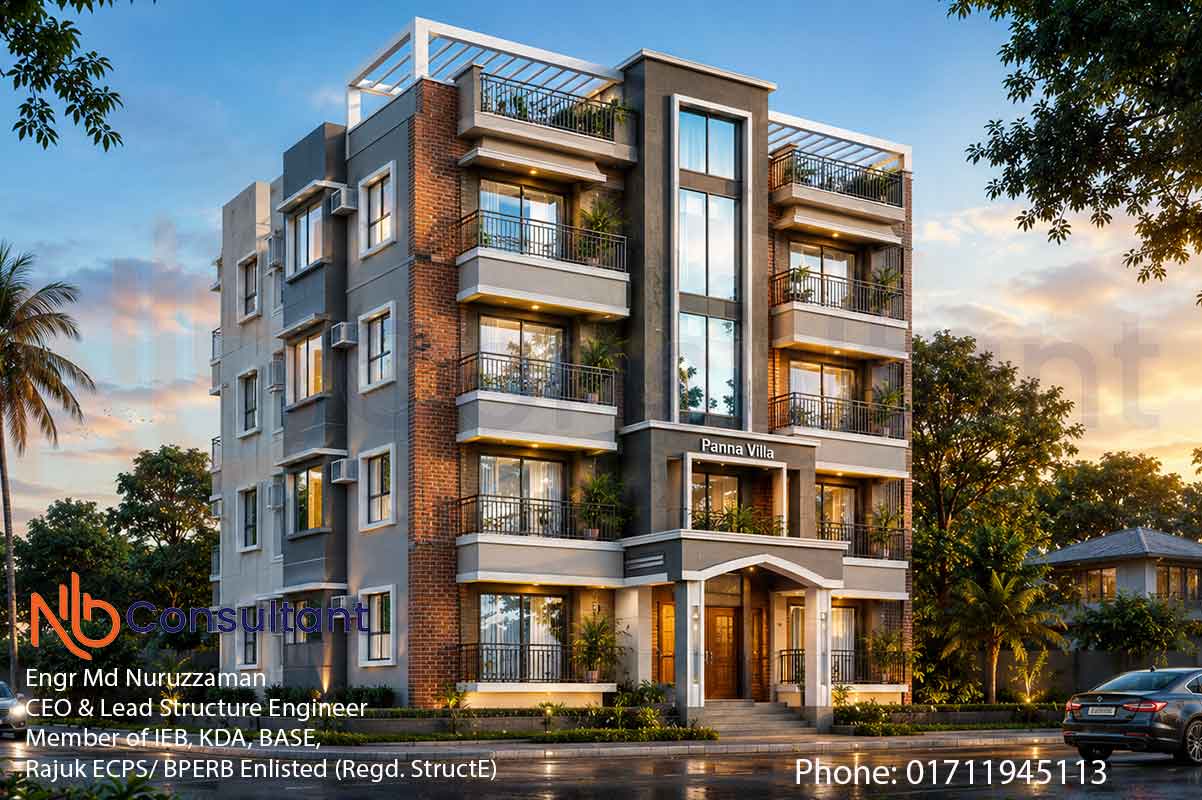
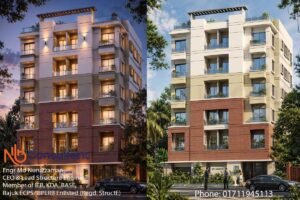
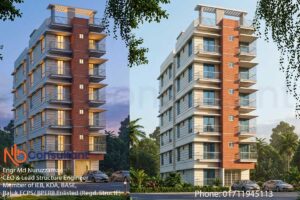
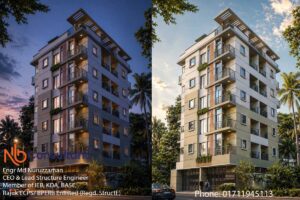
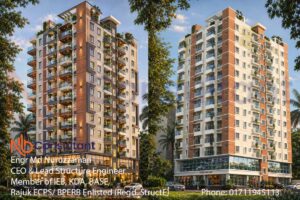
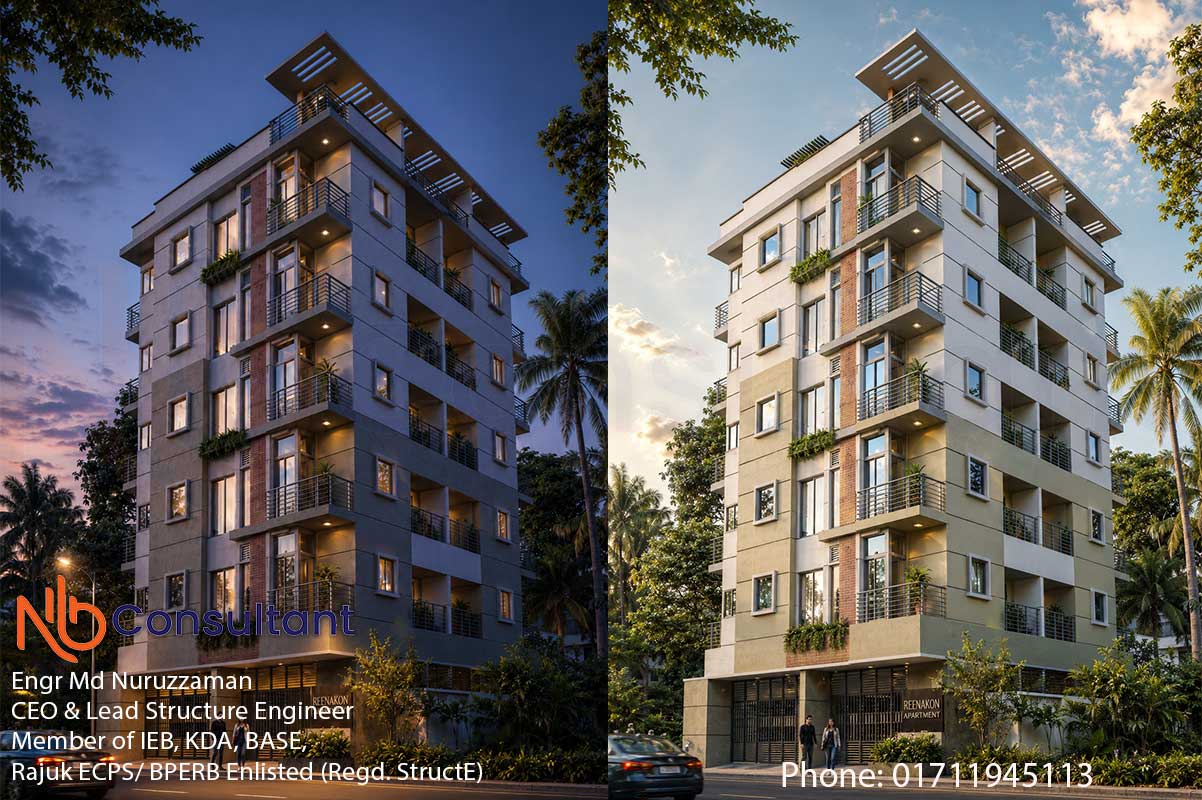
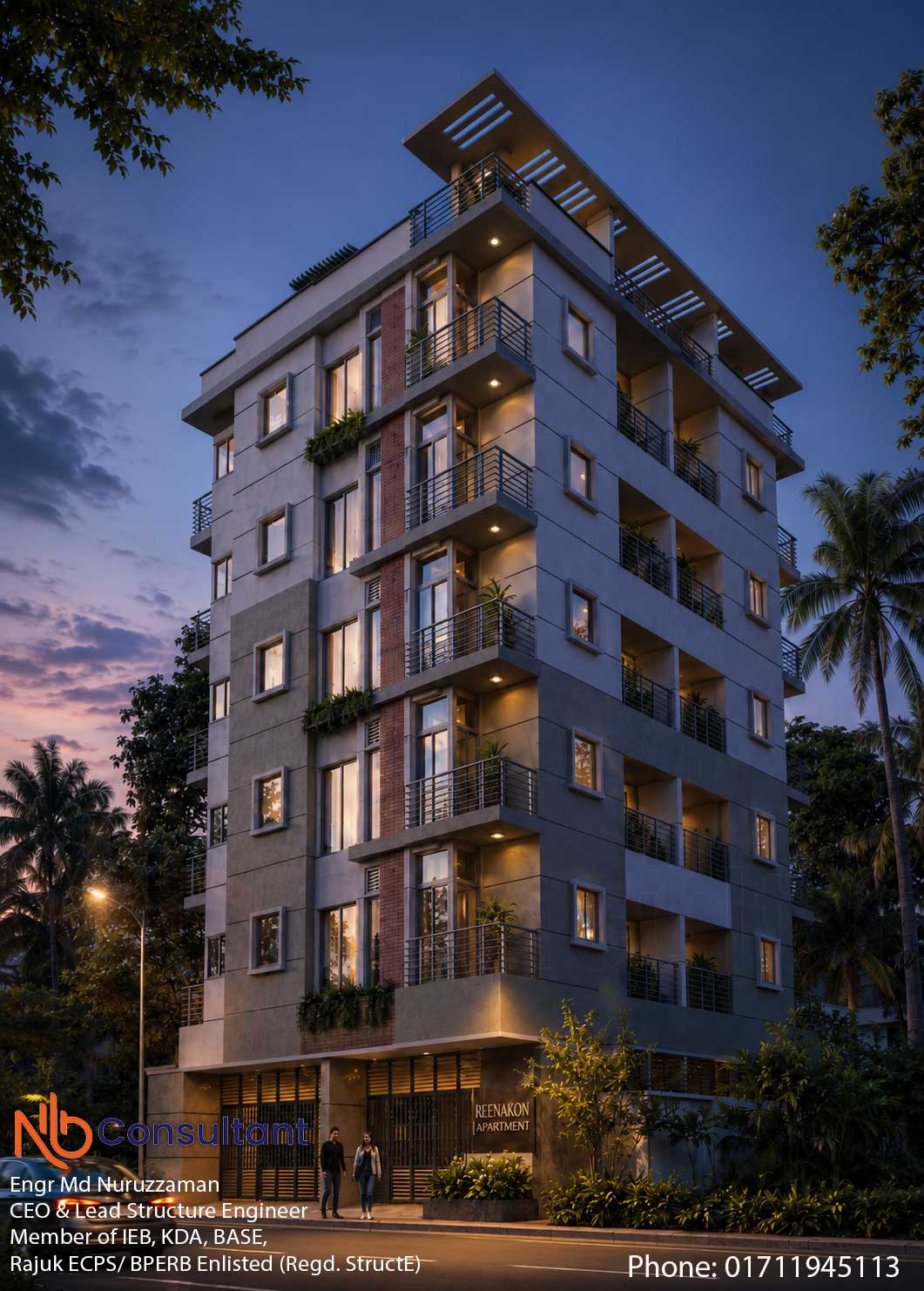
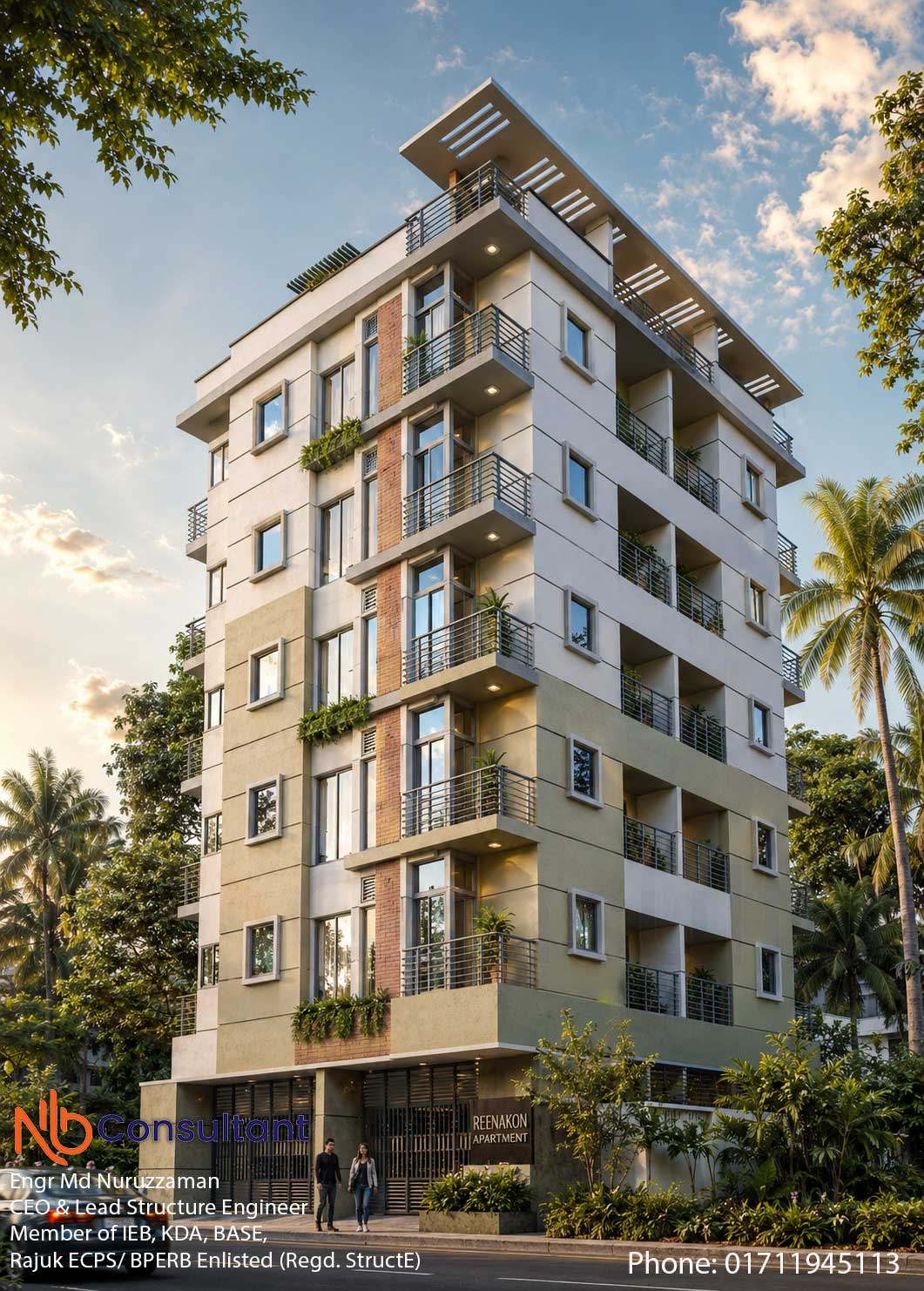
The exterior of your building is its handshake with the city. A compelling 6 storey building elevation design dictates how the structure interacts with the streetscape and shapes its identity in the neighborhood. Modern elevations have moved far away from flat, monotonous brick facades.
The Role of Facades, Balconies, and Depth
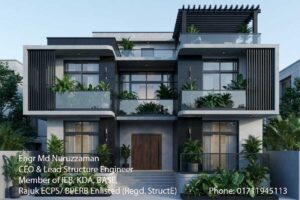
A flat, six-storey wall can look imposing and brutalist. Modern design relies on articulation—creating depth and shadow to make the building visually dynamic.
-
Cantilevered Balconies: Extending balconies out from the main structure not only provides private outdoor space for residents but also breaks up the vertical visual mass of the building.
-
Recessed Windows: Setting windows back from the exterior wall creates deep shadow lines, adding architectural interest and helping to naturally shade the interiors.
-
Mixed Materiality: Combining different textures creates a sophisticated look. A popular modern approach is pairing the industrial coldness of exposed concrete or metal panels with the organic warmth of treated timber or high-density composite wood cladding.
Dynamic Lighting and Textures
Elevation design doesn’t stop when the sun goes down. Architectural lighting should be integrated into the facade from the earliest planning stages.
-
Up-lighting: Highlighting structural columns or vertical green walls to draw the eye upward.
-
Soffit Lighting: Installing warm LED lights underneath balconies or roof overhangs to give the building a welcoming, soft glow at night.
-
Textured Panels: Using materials like corrugated metal, perforated screens, or 3D architectural panels that catch the light differently depending on the time of day.
Essential Amenities for Mid-Rise Living
To truly qualify as a “modern” residential building, the design must look beyond the individual apartments and cater to the lifestyle of the residents. While a six-storey building won’t have the space for a massive country club, smart use of communal areas adds massive value.
Capitalizing on Shared Spaces
-
The Rooftop Terrace: This is the crown jewel of mid-rise buildings. Outfitting the roof with lounge seating, fire pits, outdoor kitchens, and panoramic city views turns an otherwise unused space into a major selling point.
-
Fitness and Wellness: A compact, state-of-the-art gym or yoga studio on the ground floor or basement level is practically mandatory for modern urbanites.
-
Co-working Spaces: With the rise of remote work, dedicating a small portion of the lobby or first floor to quiet, Wi-Fi-enabled workstations provides incredible value to residents.
Smart Home and Building Integration
Technology should be woven into the fabric of the building’s design.
-
Keyless Entry: Mobile phone-enabled access controls for the lobby, elevators, and individual units.
-
Automated Climate Control: Smart thermostats integrated into the building’s central HVAC system to optimize energy use based on occupancy.
-
Automated Parking Hubs: In areas where space is exceptionally tight, automated car stackers or smart parking management systems can double the capacity of a standard underground lot.
Navigating Zoning, Accessibility, and Building Codes
While creativity is the fun part of modern 6-storey residential building design, strict adherence to local building codes is what actually gets the project built. Mid-rises occupy a unique regulatory space.
-
Fire Safety: Buildings over a certain height (often 3 or 4 stories) require commercial-grade fire suppression systems, multiple egress stairwells, and specific fire-rated construction materials.
-
Accessibility (ADA Compliance): Ensuring that elevators, ramps, communal spaces, and a designated percentage of the residential units are fully accessible to individuals with disabilities is not just a legal requirement, but a moral imperative in modern design.
-
Zoning Setbacks: Most cities require taller buildings to “step back” their upper floors to prevent the structure from casting massive shadows on neighboring properties or creating a “canyon effect” on the street below. Clever architects use these setbacks to create stunning private terraces for the upper units.
Conclusion: Shaping the Future of Urban Living
Mastering the modern 6-storey residential building design is about far more than just stacking concrete and glass. It requires a holistic approach that balances the financial goals of developers with the lifestyle needs of modern urban dwellers. By focusing on sustainable 6 story residential building architecture, optimizing the single unit floor plan for 6 storey building for maximum flow and light, and executing a dynamic 6 storey building elevation design, architects can create structures that elevate the entire neighborhood.
The mid-rise is not just a stepping stone between a house and a skyscraper; it is the definitive future of sustainable, community-focused urban living.
Ready to bring your architectural vision to life? If you found this guide helpful, we’d love to hear your thoughts! Leave a comment below letting us know which mid-rise design trend you are most excited about, and don’t forget to subscribe to our newsletter for weekly insights into architecture, real estate development, and modern design trends directly to your inbox.