
৫ তলা বাড়ির ডিজাইন
5 তলা ভবন ডিজাইন
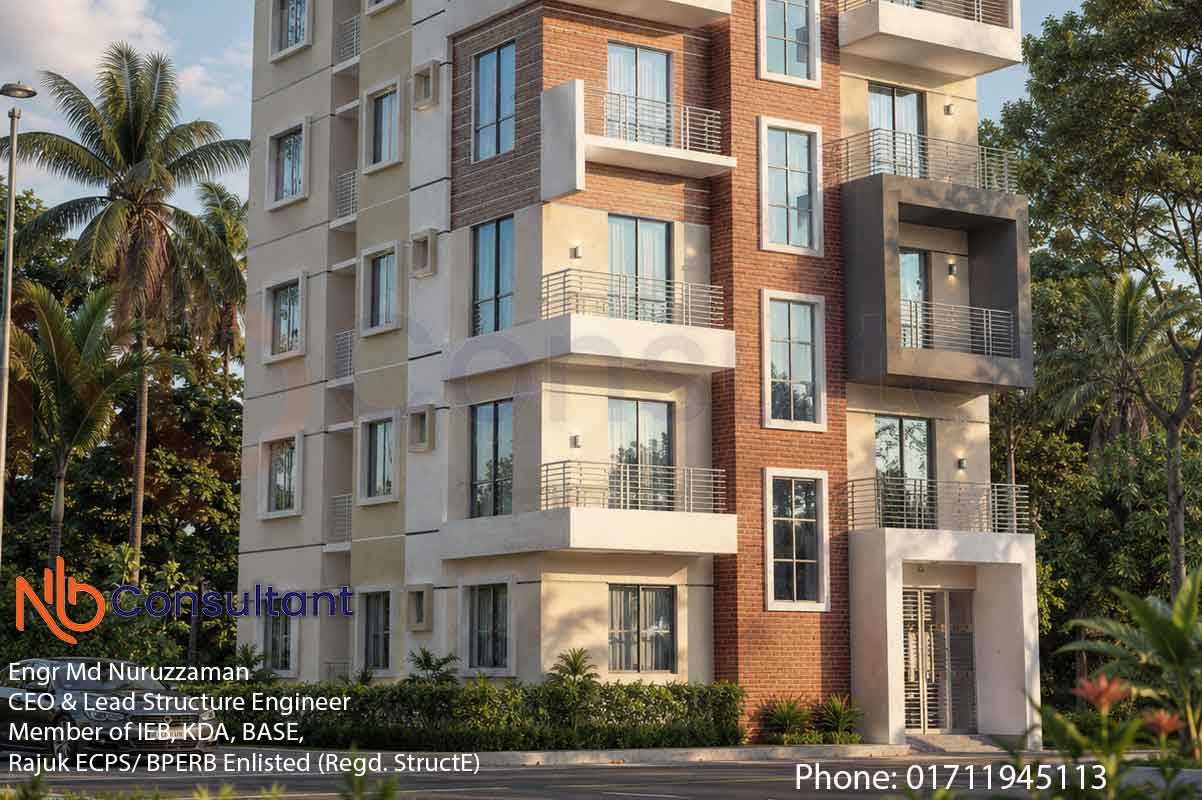
5 তলা ভবন ডিজাইন
এই ভবনে 1400 স্কয়ার ফুট স্ল্যাব এরিয়া
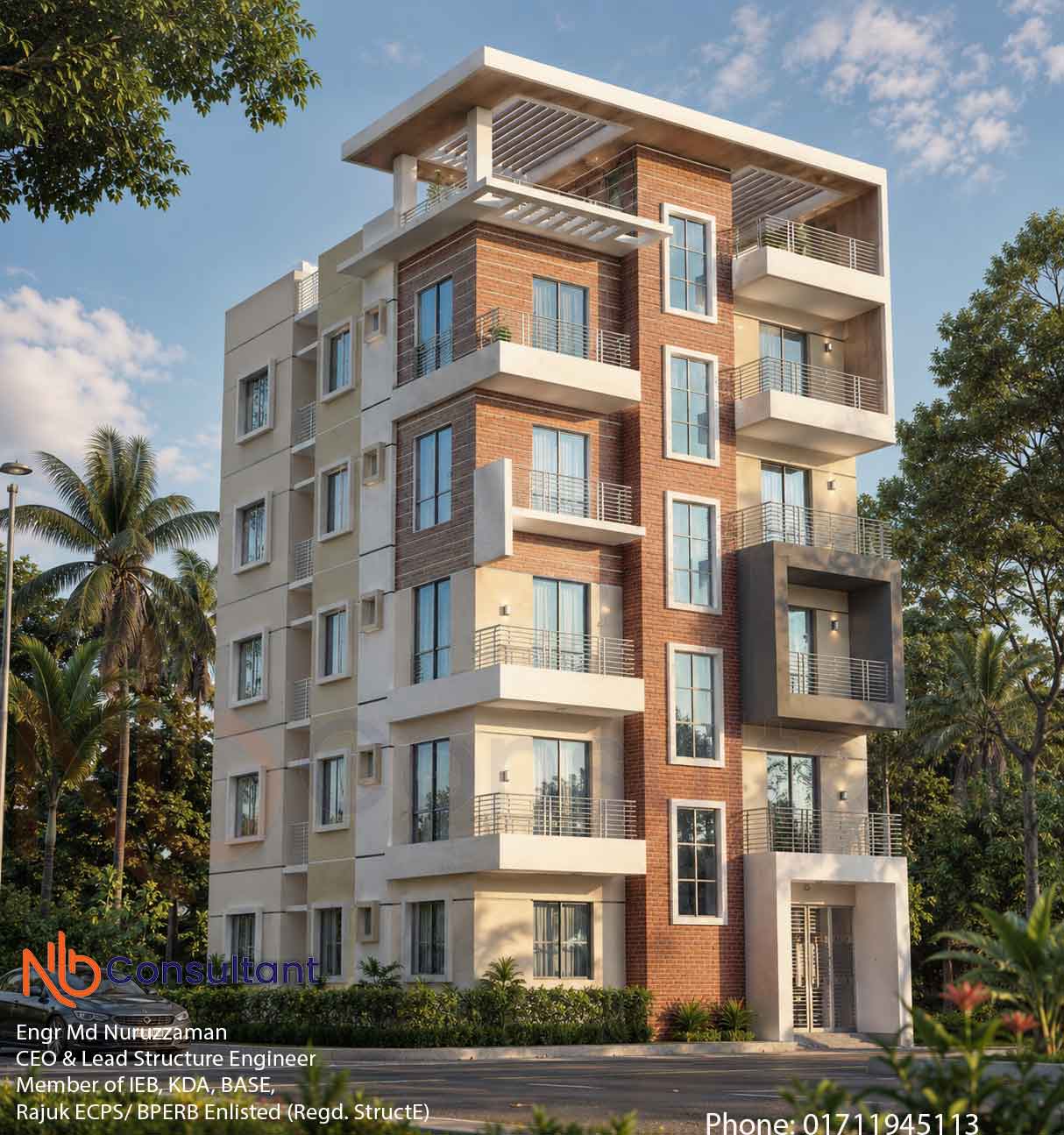
5 তলা ভবন ডিজাইনের 3D ভিউ


টি
আপনার মূল কিওয়ার্ডের ওপর ভিত্তি করে এখানে একটি বিস্তারিত, এসইও-অপ্টিমাইজড ওয়েবসাইট আর্টিকেল দেওয়া হলো। এটি এমনভাবে সাজানো হয়েছে যাতে পাঠকদের জন্য তথ্যবহুল, আকর্ষণীয় এবং সহজে পড়ার উপযোগী হয়।
5 তলা ভবন ডিজাইনের ব্যবহারিক নির্দেশিকা: নান্দনিকতা, জায়গা এবং স্থানীয় বিধিমালার সমন্বয়
বহু-পরিবার বা বাণিজ্যিক ব্যবহারের জন্য ভবন ডিজাইন করা একটি গুরুত্বপূর্ণ মাইলফলক। যখন আপনি একটি 5 তলা ভবন ডিজাইন (সিভিল ইঞ্জিনিয়েরিং এবং স্থাপত্যের ভাষায় যা 5 তলা ভবন বা জি+4 স্ট্রাকচার হিসেবে পরিচিত), তখন আপনি আধুনিক রিয়েল এস্টেটের একটি গুরুত্বপূর্ণ পর্যায়ে প্রবেশ করছেন।
একটি 5 তলা ভবন শহরের জমির সর্বোচ্চ ব্যবহার এবং সুন্দর দৃশ্য দেখার জন্য যথেষ্ট উঁচু, আবার বিশাল বহুতল ভবনের মতো অতিরিক্ত স্ট্রাকচারাল খরচ এবং কঠোর বিধিনিষেধ এড়ানোর জন্য যথেষ্ট নিচু।
আপনি যদি জমির মালিক হন এবং ভাড়ার আয় বাড়াতে চান, অথবা ডেভেলপার হিসেবে নতুন প্রজেক্টের পরিকল্পনা করেন, কিংবা স্থপতি হিসেবে কার্যকরী লেআউট খুঁজছেন, তবে এই বিস্তারিত নির্দেশিকাটি 5 তলা ভবন ডিজাইনের সব খুঁটিনাটি বুঝতে সাহায্য করবে।
1। 5 তলা ভবনের গঠন বোঝা
ফ্লোর প্ল্যান এবং নান্দনিকতায় যাওয়ার আগে, একটি 5 তলা ভবন কীভাবে একটি সমন্বিত সিস্টেম হিসেবে কাজ করে তা বোঝা জরুরি। স্থাপত্য নকশা মানে শুধু তলার পর তলা বসানো নয়; বরং এই তলাগুলো কীভাবে নিচতলার সাথে, আশেপাশের পরিবেশের সাথে এবং স্ট্রাকচারাল লোডের সাথে কাজ করে তা নিশ্চিত করা।
নিচতলা: পার্কিং নাকি বসবাসের জন্য?
সমসাময়িক শহুরে ব্লুপ্রিন্টে দেখা যায়, নিচতলার লেআউট পুরো ভবনের উপযোগিতা নির্ধারণ করে। সাধারণত আপনার দুটি প্রধান বিকল্প থাকে:
-
পার্কিং/স্টিল্ট নিচতলা: ঘনবসতিপূর্ণ এলাকায় এটি অত্যন্ত জনপ্রিয়। নিচতলায় ড্রাইভওয়ে, কার পার্কিং, গার্ডরুম এবং একটি ছোট রিসেপশন লবি থাকে। ইউনিটগুলো সাধারণত প্রথম তলা থেকে শুরু হয়।
-
হাইব্রিড নিচতলা: আপনার কিছু বেসলাইন লেআউটে যেমন দেখানো হয়েছে, নিচতলায় একটি কার পার্কিং বা ড্রাইভওয়ের পাশাপাশি একটি ছোট আবাসিক ইউনিট (যেমন একটি 2 বেডরুমের ইউনিট) রাখা যায় যাতে ব্যবহারযোগ্য স্কয়ার ফুট বাড়ানো সম্ভব হয়।
সাধারণ তলাগুলো (1ম থেকে 4ম তলা)
এখান থেকেই আপনার মূল রিয়েল এস্টেট ভ্যালু আসে। আপনার টার্গেট মার্কেটের ওপর ভিত্তি করে এই তলাগুলো এভাবে ডিজাইন করা যেতে পারে:
-
সিঙ্গেল-ইউনিট ফ্লোর: পুরো তলা জুড়ে একটি বড়, বিলাসবহুল ফ্ল্যাট।
-
মাল্টি-ইউনিট ফ্লোর: তলার মাঝখান দিয়ে সমানভাবে ভাগ করে দুটি আলাদা, স্বাধীন ফ্ল্যাট (যেমন ইউনিট এ এবং ইউনিট বি) তৈরি করা হয়, যার কেন্দ্রে থাকে সিঁড়ি এবং লিফট।
5ম তলা (পেন্টহাউস বা রুফটপ গার্ডেন লেভেল)
সবচেয়ে ওপরের তলাটি ডিজাইনের অনন্য সুযোগ দেয়। যেহেতু এটি সরাসরি ছাদের নিচে থাকে, তাই এখানে সাধারণত উঁচু সিলিং, প্রিমিয়াম টেরেস অ্যাক্সেস থাকে এবং এটিকে একটি আপস্কেল পেন্টহাউস বা রুফটপ গার্ডেন ও কাপড় শুকানোর জায়গা হিসেবে ডিজাইন করা যায়।
2। লেআউট দক্ষতা: সিঙ্গেল ইউনিট বনাম ডুয়াল ইউনিট স্প্লিট
একটি সাধারণ প্লটের সাইজের জন্য (যেমন একটি গড় $35′ \times 47’$ অথবা $33′ \times 39’$ শহুরে প্লট), প্রতি তলায় কয়টি ইউনিট হবে তা নির্ধারণ করা একটি প্রধান ডিজাইনের সিদ্ধান্ত।
বিকল্প এ: বড় সিঙ্গেল ইউনিট ফ্লোর প্ল্যান
আপনার টার্গেট যদি উচ্চবিত্ত পরিবার বা বিলাসিতা পছন্দকারী ব্যক্তি হয়, তবে পুরো তলা জুড়ে একটি ইউনিট রাখা আদর্শ।
-
ফ্লো: একটি বিশাল ড্রইং ডাইনিং রুম ভবনের মেরুদণ্ড হিসেবে কাজ করে।
-
কনফিগারেশন: সাধারণত 3 থেকে 4টি বড় বেডরুম, একাধিক এটাচ টয়লেট, এটাচ সার্ভেন্ট রুমসহ একটি বিশাল রান্নাঘর এবং প্রধান রাস্তার দিকে প্রশস্ত বারান্দা থাকে।
-
সুবিধা: বাসিন্দাদের জন্য সম্পূর্ণ গোপনীয়তা এবং প্রতি স্কয়ার ফুট হিসেবে প্রিমিয়াম ভাড়া বা রিসেল ভ্যালু।
বিকল্প বি: ডুয়াল-ইউনিট মিরর লেআউট
ডেভেলপাররা যারা ভাড়ার আয় বাড়াতে চান বা যৌথ পরিবারের জন্য জায়গা করতে চান, তাদের জন্য প্রতি তলাকে দুটি সমান ইউনিটে ভাগ করা সেরা উপায়। একটি সাধারণ ওপরের তলায় ডুয়াল-ইউনিট কনফিগারেশনের কার্যকরী বিভাজন নিচে দেওয়া হলো:
| বৈশিষ্ট্য | ইউনিট এ (উত্তর/পশ্চিম দিক) | ইউনিট বি (দক্ষিণ/পূর্ব দিক) |
| প্রধান প্রবেশপথ | যৌথ কেন্দ্রীয় সিঁড়ি / | যৌথ কেন্দ্রীয় সিঁড়ি / |
| বেডরুম | 2 টি বেডরুম (যেমন, $11’7″ \times 11’$ মাস্টার ও চাইল্ড বেড | 2 টি বেডরুম (যেমন, $11’11” \times 11’$ মাস্টার ও চাইল্ড বেড |
| লিভিং/ডাইনিং | কমপ্যাক্ট সেন্ট্রাল ডাইনিং ($11′ \times 12’3″$) | সিমেট্রিক্যাল সেন্ট্রাল ডাইনিং ($7’10” \times 10’2″$) |
| রান্নাঘর | নির্ধারিত $6’9″ \times 4’6″$ রান্নার জোন | নির্ধারিত $6’9″ \times 4’6″$ রান্নার জোন |
| স্যানিটেশন | 1 টি এটাচ টয়লেট, 1 টি কমন টয়লেট | 1 টি এটাচ টয়লেট, 1 টি কমন টয়লেট |
| ভেন্টিলেশন | সামনের/পাশের বারান্দা ($6’10” \times 3’6″$) | সামনের/পাশের বারান্দা ($6’10” \times 3’6″$) |
আর্কিটেক্টের পরামর্শ: একটি ফ্লোর প্লেটকে দুটি ইউনিটে ভাগ করার সময়, নিশ্চিত করুন যে ভেজা এলাকাগুলো (রান্নাঘর এবং বাথরুম) কেন্দ্রীয় সার্ভিস শ্যাফট বা বাইরের দেয়ালের সাথে সংলগ্ন থাকে। এটি প্লাম্বিং খরচ কম রাখে এবং রক্ষণাবেক্ষণ সহজ করে।
3. জি+4 তলা ভবনের জন্য স্ট্রাকচারাল ইঞ্জিনিয়ারিংয়ের প্রয়োজনীয়তা
একটি 5 তলা ভবনের ডিজাইন সাধারণ লোড-বেয়ারিং রাজমিস্ত্রির দেয়ালের ওপর নির্ভর করতে পারে না। মাধ্যাকর্ষণ, বাতাস এবং ভূমিকম্পের শক্তির বিরুদ্ধে নিরাপত্তা নিশ্চিত করতে এটি একটি মজবুত, প্রকৌশলগত কাঠামোর দাবি রাখে।
রিইনফোর্সড কনক্রিট (আরসিসি) ফ্রেম স্ট্রাকচার
আধুনিক 5 তলা ডিজাইনের মূল ভিত্তি হলো আরসিসি ফ্রেম, যা কলাম, বিম এবং স্ল্যাব নিয়ে গঠিত।
-
কলাম: দেয়ালের সংযোগস্থলে কৌশলগতভাবে স্থাপন করা হয় যাতে এগুলো লিভিং স্পেসের ভেতর অযথা বেরিয়ে না থাকে। একটি 5 তলা ভবনের জন্য, কলামের আকার সাধারণত $10″ \times 15″$ থেকে $12″ \times 18″$পর্যন্ত হয়, যা মাটির ভার বহন ক্ষমতার ওপর নির্ভর করে।
-
বিম: কলামগুলোকে একত্রে বেঁধে রাখে এবং ফ্লোর স্ল্যাবের লোড নিরাপদে নিচের দিকে বিতরণ করে।
-
স্ল্যাব: সাধারণত, একটি 5 ইঞ্চি পুরু সলিড কনক্রিট স্ল্যাব পর্যাপ্ত স্ট্রাকচারাল ইন্টিগ্রিটি এবং ফ্লোরগুলোর মধ্যে সাউন্ডপ্রুফিং প্রদান করে।
ফাউন্ডেশন ইঞ্জিনিয়ারিং
একটি ইট গাঁথুনির আগেও, মাটি পরীক্ষা বাধ্যতামূলক।
-
আইসোলেটেড/প্যাড ফুটিং: যদি মাটি অত্যন্ত শক্ত এবং স্থিতিশীল হয়, তবে প্রতিটি কলামের নিচে আইসোলেটেড ফুটিং যথেষ্ট হতে পারে।
-
ম্যাট/র্যাফট ফাউন্ডেশন: যদি ভবনটি নরম, কাদা-সমৃদ্ধ মাটি বা উচ্চ ভূগর্ভস্থ পানির স্তরের এলাকায় অবস্থিত হয়, তবে র্যাফট ফাউন্ডেশন—যেখানে একটি অবিচ্ছিন্ন কনক্রিট স্ল্যাব পুরো ভবনের ফুটপ্রিন্টকে সাপোর্ট দেয়—অসম সেটেলমেন্ট রোধ করার জন্য আদর্শ।
4. ভার্টিক্যাল সার্কুলেশন: সিঁড়ি, লিফট এবং নিরাপত্তা
ভবনটি পাঁচ তলা পর্যন্ত উঁচু হলে, মানুষ কীভাবে ওঠানামা করবে তা দৈনন্দিন সুবিধা এবং আইনি সম্মতির বিষয় হয়ে দাঁড়ায়।
সিঁড়ির কোর
সিঁড়িটি কেন্দ্রীয়ভাবে অবস্থিত হতে হবে যাতে যেকোনো ফ্ল্যাটের সবচেয়ে দূরের কোণ থেকে হাঁটার দূরত্ব স্থানীয় অগ্নি নিরাপত্তা সীমা (সাধারণত 15 থেকে 20 মিটার) অতিক্রম না করে।
-
ডাইমেনশন: আরামদায়ক আবাসিক চলাচলের জন্য, ধাপগুলোর উচ্চতা হওয়া উচিত 7 ইঞ্চি রাইজার (উচ্চতা) এবং একটি 10 ইঞ্চি ট্রেড (গভীরতা)।
-
প্রস্থ: ন্যূনতম পরিষ্কার প্রস্থ 3 ফুট 6 ইঞ্চি থেকে 4 ফুট হওয়া প্রয়োজন যাতে দুইজন মানুষ আরামে একে অপরকে অতিক্রম করতে পারে এবং আসবাবপত্র আনা-নেওয়া সহজ হয়।
5। ভেন্টিলেশন, প্রাকৃতিক আলো এবং গোপনীয়তা বৃদ্ধি
5 তলা ভবন ডিজাইনের ক্ষেত্রে অন্যতম বড় ভুল হলো “বক্স ইফেক্ট”—অর্থাৎ মাঝের তলাগুলোকে অন্ধকার, ভ্যাপসা এবং প্রতিবেশী ভবনের দিক থেকে গোপনীয়তাহীন করে তোলা। চতুর স্থাপত্য নকশার মাধ্যমে এটি প্রতিরোধ করা সম্ভব।
[বহিরাঙ্গন দেয়াল / সেটব্যাক এলাকা]
       │
       ├──► বড় জানালা (প্রাকৃতিক আলো প্রবেশ করায়)
       │
   ┌───┴────────────────────────┐
   │    সু-বাতাসযুক্ত রুম    │◄─── বাতাস চলাচলের পথ
   └───┬────────────────────────┘
       │
       └──► অভ্যন্তরীণ লুভার / ভেন্ট (গরম বাতাস বের করে দেয়)
কৌশলগত সেটব্যাক
প্রতিবেশীর সাথে জিরো-লট-লাইন ফায়ারওয়াল শেয়ার না করলে কখনোই জমির সীমানা পর্যন্ত নির্মাণ করবেন না। পাশে 3 ফুট থেকে 5 ফুট সেটব্যাক রাখলে প্রতিটি বেডরুম এবং বাথরুমে বড় জানালা বসানো যায়, যা ক্রস-ভেন্টিলেশন নিশ্চিত করে।
বারান্দার গুরুত্ব
বারান্দা কেবল সাজসজ্জার বিষয় নয়; এগুলো তাপ নিরোধক হিসেবে কাজ করে। দক্ষিণ বা পশ্চিম দিকে একটি $3’6″$ অথবা $4’$ প্রশস্ত বারান্দা থাকলে তা দুপুরের তীব্র রোদ থেকে ভেতরের লিভিং স্পেসকে রক্ষা করে এবং বাসিন্দাদের জন্য খোলামেলা পরিবেশ তৈরি করে।
ডাক্ট এবং শ্যাফট স্থাপন
ফ্লোর প্ল্যানের গভীরে বাথরুম এবং রান্নাঘর থাকলে ছাদ পর্যন্ত উন্মুক্ত উল্লম্ব শ্যাফট (ডাক্ট) প্রয়োজন। এই ডাক্টগুলো দিয়ে প্লাম্বিং পাইপ অদৃশ্যভাবে নিচে নামানো যায় এবং দুর্গন্ধ ও আর্দ্রতা বের হওয়ার পথ তৈরি হয়।
6। বাহ্যিক নান্দনিকতা: আকর্ষণ বৃদ্ধি
একটি 5 তলা ভবন দূর থেকে স্পষ্টভাবে দেখা যায়, তাই এর ফেসাদ ডিজাইন অত্যন্ত গুরুত্বপূর্ণ। একটি সুন্দর বাহ্যিক রূপ সম্পত্তির মূল্য বাড়ায় এবং এলাকার সৌন্দর্য বৃদ্ধি করে।
উপাদানের বৈচিত্র্য
পুরো ভবনে একই রঙের একঘেয়ে পেইন্ট ব্যবহার করবেন না। এর পরিবর্তে বিভিন্ন টেক্সচার ব্যবহার করুন:
-
এক্সপোজড ব্রিক ক্ল্যাডিং: সিঁড়ির কোর বা কেন্দ্রীয় জানালার কলাম বরাবর ওয়েদার-প্রুফ ইটের টাইলস বা এক্সপোজড কংক্রিটের টেক্সচার ব্যবহার করলে তা একটি সুন্দর ও কালজয়ী নান্দনিকতা তৈরি করে।
-
ডার্ক অ্যাকসেন্ট ফ্রেম: গভীর বারান্দা বা প্রজেক্টিং জানালার চারপাশে গাঢ় ধূসর বা চারকোল রঙের প্লাস্টার (আধুনিক স্থাপত্য রেন্ডারে যেমন দেখানো হয়) ব্যবহার করলে উঁচু ভবনের বিশালতা চোখে লাগে না।
-
গ্লাস এবং স্টিল রেলিং: বারান্দায় সাধারণ লোহার গ্রিলের পরিবর্তে মিনিমালিস্ট স্টেইনলেস স্টিল বা হেভি-ডিউটি টেম্পারড গ্লাস রেলিং ব্যবহার করলে ভবনের প্রোফাইল তাৎক্ষণিকভাবে আধুনিক হয়ে ওঠে।
স্থাপত্য আলোকসজ্জা
বারান্দার নিচে এবং ছাদের পারগোলা বরাবর রিসেসড ওয়ার্ম এলইডি স্পটলাইট ব্যবহার করুন। ভবনের উল্লম্ব স্ট্রাকচারাল লাইনগুলোকে মৃদু আপলাইটিং দিয়ে হাইলাইট করলে রাতে ভবনটিকে প্রিমিয়াম এবং নিরাপদ দেখায়।
7। প্রধান বিল্ডিং রেগুলেশন এবং কমপ্লায়েন্স চেকলিস্ট
আপনার 5 তলা ভবন ডিজাইন চূড়ান্ত করার আগে, স্থানীয় পৌর কর্তৃপক্ষ (যেমন: RAJUK, মিউনিসিপ্যাল কর্পোরেশন বা স্থানীয় উন্নয়ন কর্তৃপক্ষ) এর সাথে নিয়মগুলো মিলিয়ে নিন। নিয়ম না মানলে বড় ধরনের জরিমানা বা ভবন ভাঙার নির্দেশ আসতে পারে।
-
FAR (ফ্লোর এরিয়া রেশিও): এই সূত্রটি নির্ধারণ করে যে সামনের রাস্তার প্রস্থের ওপর ভিত্তি করে আপনার নির্দিষ্ট জমিতে মোট কতটুকু আয়তনের ভবন নির্মাণ করা যাবে।
-
MGC (সর্বোচ্চ গ্রাউন্ড কভারেজ): এটি নির্ধারণ করে যে আপনার জমির কত শতাংশ গ্রাউন্ড ফ্লোরে ব্যবহার করা যাবে, বাকি অংশ ল্যান্ডস্কেপিং, ড্রেনেজ এবং ড্রাইভওয়ের জন্য খালি রাখতে হবে।
-
অগ্নি নিরাপত্তা কোড: ফায়ার সার্ভিসের গাড়ির সহজ প্রবেশাধিকার নিশ্চিত করতে হবে, প্রতিটি ফ্লোর ল্যান্ডিংয়ে ফায়ার এক্সটিংগুইশার জোন রাখতে হবে এবং মেইন ইউটিলিটি শ্যাফটে ফায়ার-রেটেড দরজা ব্যবহার করতে হবে।
-
রাস্তার প্রস্থের প্রয়োজনীয়তা: অনেক শহরে, একটি 5 তলা ভবনের অনুমোদন পাওয়া যায় না যদি না সামনের রাস্তাটি অন্তত 16 থেকে 20 ফুট প্রশস্ত হয় যাতে যানজট সৃষ্টি না হয়।
উপসংহার: একটি সমন্বিত ডিজাইন তৈরি
একটি সফল 5 তলা ভবন ডিজাইন হলো স্থান অপ্টিমাইজেশন, স্ট্রাকচারাল ডিজাইন এবং নান্দনিকতার এক চমৎকার সমন্বয়। গ্রাউন্ড ফ্লোরে পার্কিংয়ের জন্য স্মার্ট জোন তৈরি, ক্রস-ভেন্টিলেশন নিশ্চিত করা এবং একটি আকর্ষণীয় আধুনিক ফেসাদ ব্যবহারের মাধ্যমে আপনি এমন একটি সম্পদ তৈরি করতে পারেন যা কয়েক দশক ধরে মূল্যবান থাকবে।
আপনার স্বপ্নের নকশা যেন নিরাপদ ও স্ট্রাকচারালভাবে সঠিক হয়, তা নিশ্চিত করতে সবসময় সার্টিফাইড সিভিল ইঞ্জিনিয়ের এবং রেজিস্টার্ড আর্কিটেক্টদের সাথে কাজ করুন।
এই রকম সুন্দর ভবন ডিজাইন করার জন্য যোগাযোগ করুন ভবনের ভিডিও দেখুন।
আরও দেখুন
একই ধরনের প্রজেক্ট
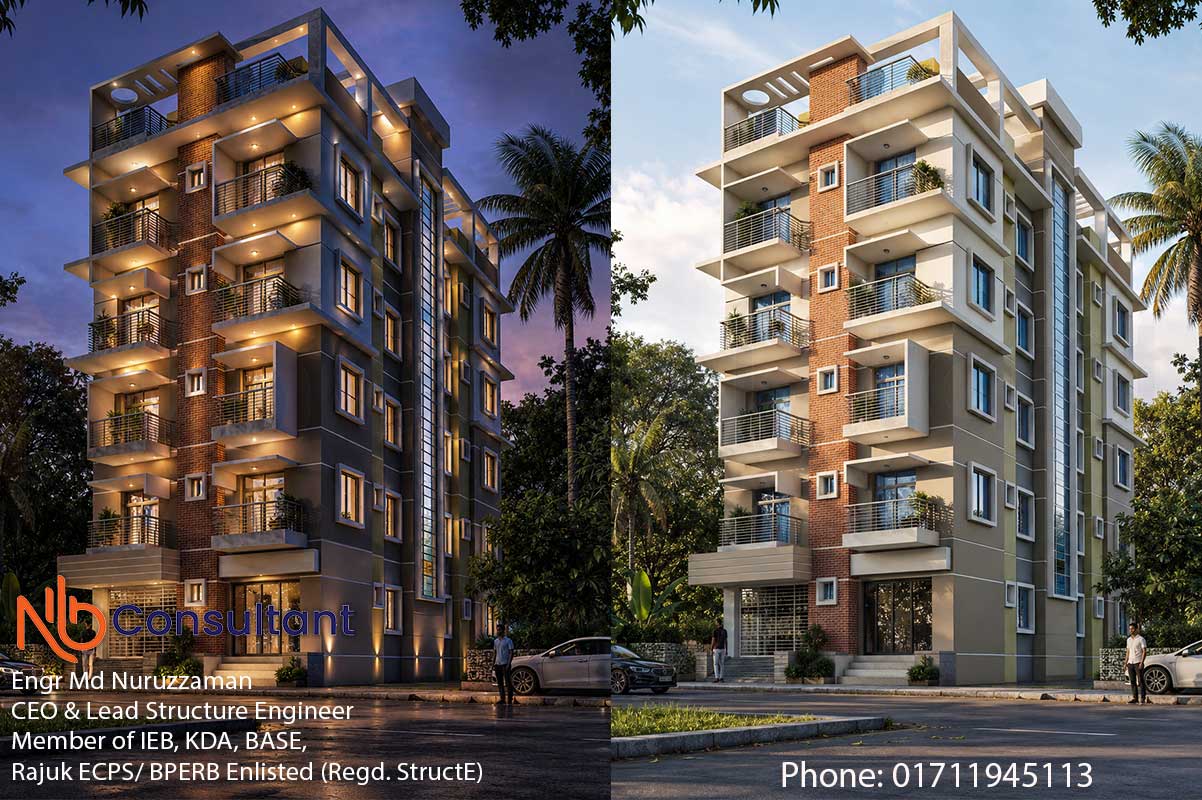
2 ইউনিট ফ্লোর প্ল্যান 2 বেডরুম কার পার্কিং সহ জামালপুর সদরে
2 ইউনিট ফ্লোর প্ল্যান 2 বেডরুম কার পার্কিং সহ 2 ইউনিট ফ্লোর প্ল্যান 2 বেডরুম কার পার্কিং সহ মোট খরচ: 2,05,00,000 টাকা 2-ইউনিট-ফ্লোর-প্ল্যান-2-বেডরুম-কার-পার্কিং-সহ নতুন দিনের দৃশ্য...
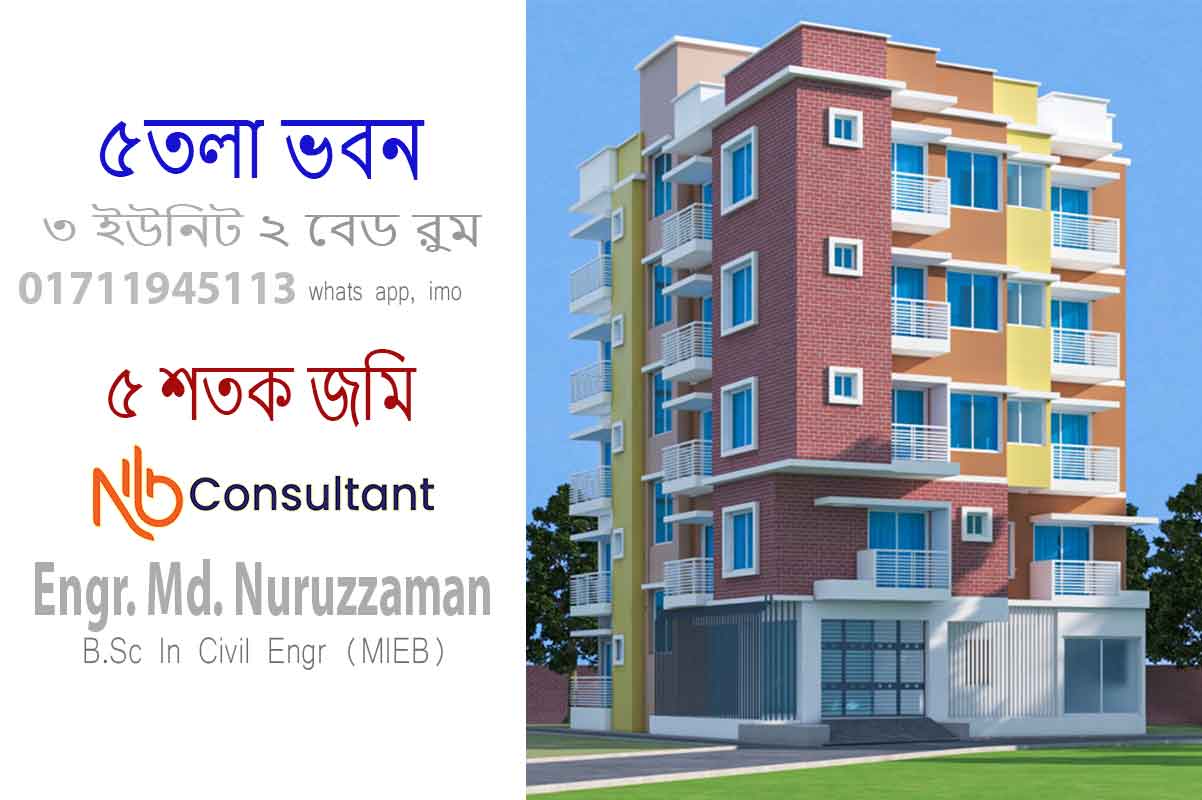
৫ শতক জমিতে ৫ তলা বাড়ির নকশার ছবি
৫ শতক জমিতে ৫ তলা বাড়ির নকশার ছবি
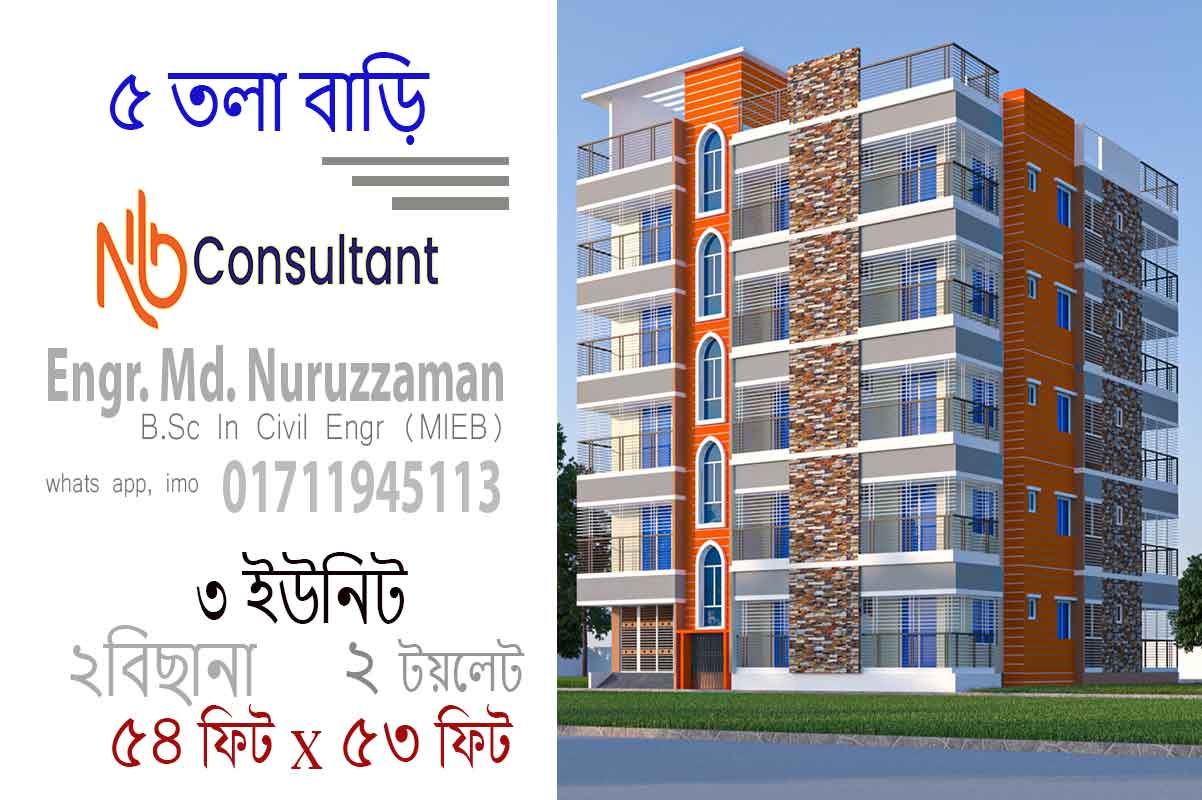
৫৩ x ৫৪ ফুট জমিতে ৩ ইউনিট ৫ তলা ভবনের নকশা
৫৩ x ৫৪ ফুট জমিতে ৩ ইউনিট ৫ তলা ভবনের নকশা